
 Looking for Dual Clutch transmission components outside of New Zealand?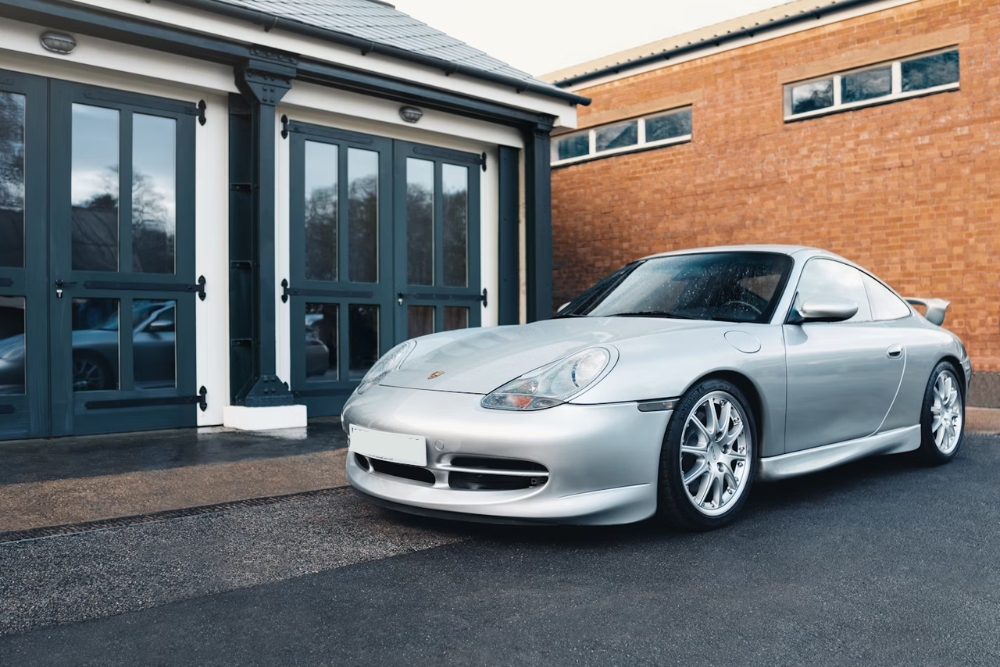
The Porsche IMS bearing is a sealed ball bearing that supports the intermediate shaft in M96 and M97 flat-six engines, and it is prone to failure in models built between 1997 and 2008. Affected models include the 986 Boxster, 996 and early 997 generation 911, and the 987 Boxster and Cayman. When this bearing fails, it typically causes catastrophic engine damage that can cost $20,000 to $40,000 to repair. This guide covers which specific models are at risk, why the bearing fails, what warning signs to watch for, and what replacement solutions are available to prevent failure before it happens.
Which Porsche Models Have IMS Bearing Problems?
The IMS bearing problem affects water-cooled Porsche flat-six engines produced between 1997 and 2008. The level of risk varies depending on which bearing type was fitted to your specific engine, with single-row bearings from 2000 to 2005 carrying the highest failure rates.
986 Boxster (1997 to 2004)
The first-generation Boxster was the initial model to use the problematic IMS bearing design. All engine variants (2.5-litre, 2.7-litre, and 3.2-litre) are affected. Early 986 models from 1997 to 1999 were fitted with a dual-row bearing, while 2000 to 2005 models switched to a single-row bearing with a considerably higher failure rate. Auckland owners with 986 Boxsters should understand this distinction, as it directly affects which replacement solution is appropriate for their car.
996 Generation 911 (1999 to 2005)
All non-Turbo, non-GT variants of the 996 generation 911 are affected by IMS bearing issues, including the Carrera, Carrera 4, and their S variants. These cars use the same M96 engine and IMS bearing as the Boxster. Cars from 1999 to 2000 typically had the dual-row bearing, while 2000 to 2005 models used the weaker single-row design that was the subject of the Eisen class action lawsuit against Porsche.
987 Boxster and Cayman (2005 to 2008)
The 987 generation continued to use an IMS bearing, though Porsche fitted a larger, non-serviceable design from 2006 onwards. The 2005 model year is a transitional period where either bearing type may be present. For 2006 to 2008 models, the failure rate is estimated at around one per cent or less, but the bearing cannot be replaced without complete engine disassembly.
997 Generation 911 (2005 to 2008)
Early 997 models with the M97 engine are also affected by IMS bearing issues. From 2006 onwards, these cars received the larger non-serviceable bearing with a significantly lower failure rate than earlier single-row bearing models.
Which Porsche Models Are Not Affected?
Turbo, GT2, and GT3 variants use the Mezger engine, which has oil pressure-fed plain bearings on the intermediate shaft and does not suffer from the same IMS failure issues. All Porsche models from 2009 onwards use the 9A1 engine, which eliminates the intermediate shaft entirely by driving the camshafts directly from the crankshaft.
Why Do Porsche IMS Bearings Fail?
The primary cause of IMS bearing failure is inadequate lubrication due to a sealed bearing design that prevents engine oil from reaching the bearing surfaces.
The Sealed IMS Bearing Design
When Porsche introduced the M96 engine, the intermediate shaft was fitted with a sealed ball bearing that relied solely on factory-packed grease for lubrication. Unlike the Mezger engine’s oil pressure-fed plain bearings, this sealed design receives no fresh oil during operation. Over time, the grease breaks down, particularly in engines that sit unused for extended periods. Cars stored during Auckland’s cooler months without regular use are at increased risk, as the grease can separate from the bearing surfaces and corrosion can develop.
Single-Row vs Dual-Row IMS Bearing Failure Rates
The single-row IMS bearing used from 2000 to 2005 had a failure rate of up to eight per cent during warranty periods, according to information from the Eisen class action lawsuit filed against Porsche. Out-of-warranty failure rates are believed to be considerably higher. The dual-row bearing used in 1997 to 1999 models had a lower reported failure rate of approximately one per cent. From late 2005 onwards, the larger non-serviceable bearing further reduced the failure rate, though it did not eliminate the risk entirely.
How Do Driving Habits Affect IMS Bearing Life?
Short trips where the engine never fully reaches operating temperature can accelerate IMS bearing wear, as the grease may not reach the temperatures needed for proper distribution. Regular driving at varied engine speeds and allowing the engine to reach full operating temperature both help support bearing longevity. Sustained spirited driving is actually less harmful to the IMS bearing than short, low-rpm commutes, as higher temperatures and oil circulation provide better lubrication conditions.
What Are the Warning Signs of IMS Bearing Failure?
IMS bearing failure often occurs without any warning, which is why most specialists recommend proactive replacement rather than monitoring. However, there are several possible indicators that owners and mechanics should watch for.
Metal Debris in Engine Oil
Metallic particles found in the engine oil or trapped in the oil filter during servicing can indicate IMS bearing degradation. Some specialists recommend cutting open the oil filter at each oil change to inspect for fine metal particles. Oil analysis through a laboratory can also detect elevated levels of iron and copper. However, by the time metal appears in the oil, bearing damage may already be occurring.
Unusual Engine Noises
A rattling, knocking, or ticking sound from deep within the engine, particularly during cold starts or at idle, can indicate a failing IMS bearing. An oil leak from the rear of the engine near the bell housing area may also be related. If you notice any unusual sounds or leaks, having a Porsche specialist inspect the car immediately is strongly recommended, as catching the problem early can sometimes prevent complete engine destruction.
What Happens When an IMS Bearing Fails Completely?
A complete IMS bearing failure typically destroys the engine within seconds. When the bearing disintegrates, the intermediate shaft loses its support and metal debris circulates throughout the engine. The camshafts lose their drive connection, causing valve timing to fail, and in severe cases, valves contact pistons. Metal fragments damage other bearings, score cylinder walls, and can destroy the oil pump. Engine rebuilds after IMS bearing failure can cost $20,000 to $40,000 at Auckland workshops, and insurance typically does not cover this type of mechanical breakdown.
What Are the Best IMS Bearing Replacement Options?
Three main aftermarket solutions address the IMS bearing design flaw, each with different cost, longevity, and maintenance requirements. All are designed to be installed proactively before the original bearing fails.
Ceramic Hybrid Ball Bearing Retrofit
This is the most widely used solution. It replaces the factory sealed bearing with a dual-row ceramic hybrid ball bearing that removes the grease seals, allowing engine oil to cool and lubricate the bearing directly. It is designed for 1997 to 2005 models where the bearing is accessible with the transmission removed. This option typically carries a recommended replacement interval of around six years or 75,000 miles, meaning it is a maintenance item rather than a permanent fix.
Cylindrical Roller Bearing Retrofit
This option uses a cylindrical roller bearing with integrated thrust capability. Like the ceramic hybrid, it provides improved load capacity and allows engine oil to lubricate the bearing. Replacement intervals are similar to the ceramic hybrid option, and it is available for the same model years.
Oil Pressure-Fed Plain Bearing (Permanent Fix)
This is considered the only truly permanent solution to the IMS bearing problem. It replaces the sealed ball bearing with an oil pressure-fed plain bearing that mirrors the design used in the Mezger engines found in Turbo, GT3, and GT2 models. The plain bearing requires no service interval and is designed for the life of the engine. While it is the most expensive option, it completely eliminates the IMS bearing as a future concern.
Grease Seal Removal for 2006 to 2008 Models
For 2006 to 2008 models with the non-serviceable bearing, having the grease seal removed during clutch replacement allows engine oil to reach the bearing surfaces. This does not replace the bearing but provides better lubrication than the factory sealed design.
When Should You Replace Your IMS Bearing?
Proactive replacement before failure is strongly recommended by most Porsche specialists. The 60,000 to 100,000 kilometre range is generally considered an ideal window, though cars with unknown maintenance history or irregular use may benefit from earlier replacement. If you have recently purchased a used Porsche from the affected model years without documented IMS bearing replacement, it should be one of your first maintenance priorities.
Combining IMS Bearing Replacement With Other Work
IMS bearing replacement requires the transmission to be removed, so many owners combine it with clutch replacement to reduce overall labour costs. Having the rear main seal replaced at the same time is also commonly recommended, as it is otherwise difficult to access.
Oil Change Practices That Support IMS Bearing Health
While oil changes alone cannot prevent IMS bearing failure, using high-quality synthetic oil that meets Porsche’s specifications and changing it more frequently than factory intervals is strongly recommended. Many specialists suggest oil changes every 5,000 kilometres or six months, whichever comes first, for affected models.
What to Check When Buying a Used Porsche From Affected Model Years?
When buying a used Porsche that is one of the affected models, ask the seller for documentation confirming whether the IMS bearing has been replaced, and what type of replacement was fitted. Cars with a documented IMS bearing upgrade typically command higher resale values. If no record of replacement exists, factor the cost into your purchase decision and have a Porsche specialist carry out a pre-purchase inspection, including an oil filter inspection for metal debris.
Frequently Asked Questions About Porsche IMS Bearings
Can You Drive a Porsche With a Failing IMS Bearing?
No. If you suspect IMS bearing failure, stop driving the car immediately and have it transported to a specialist. Continued driving can turn a partial failure into complete engine destruction within seconds.
How Much Does IMS Bearing Replacement Cost?
IMS bearing replacement typically costs between $3,000 and $6,000 in Auckland, including parts and labour. The exact cost depends on the type of replacement bearing chosen and whether you have a manual or Tiptronic transmission. This is a fraction of the $20,000 to $40,000 that a full engine rebuild can cost after bearing failure.
Does Porsche Cover IMS Bearing Failure Under Warranty?
Porsche settled the Eisen class action lawsuit related to IMS bearing failures, but standard manufacturer warranty coverage for these models has long since expired. Insurance policies typically classify IMS bearing failure as a mechanical breakdown and do not provide cover.
Is the IMS Bearing Issue Overblown?
The IMS bearing is a genuine design concern that has caused documented engine failures. While the failure rate varies by bearing type (from roughly one per cent for dual-row and later non-serviceable bearings to up to eight per cent for single-row bearings under warranty), the catastrophic nature of the failure and the relatively low cost of preventative replacement make proactive action a sensible decision for most owners.
Need Help With Your Porsche IMS Bearing?
The IMS bearing issue affects a wide range of Porsche models, but with the right preventative approach, it does not have to result in catastrophic engine failure. As an independent Porsche service centre in Auckland, Dodson Motorsport has extensive experience with IMS bearing assessment, replacement, and ongoing Porsche maintenance. Our team can evaluate your car’s specific needs and recommend the best solution for your situation. Contact us today by calling 09 441 3635 or emailing service@dodsonmotorsport.com to discuss IMS bearing preventative maintenance for your Porsche.