
Dodson Service

The Ultimate Guide to Porsche Engine Bore Scoring Issues

Porsches are renowned for their exceptional engineering and performance. However, like any high-performance vehicle, they can develop specific mechanical issues over time. One of the most notorious problems affecting certain Porsche engines is bore scoring. If you own a Porsche in Auckland, understanding this issue could save you from costly engine failures and help you maintain your vehicle’s performance for years to come.

What Causes Bore Scoring in Porsche Engines

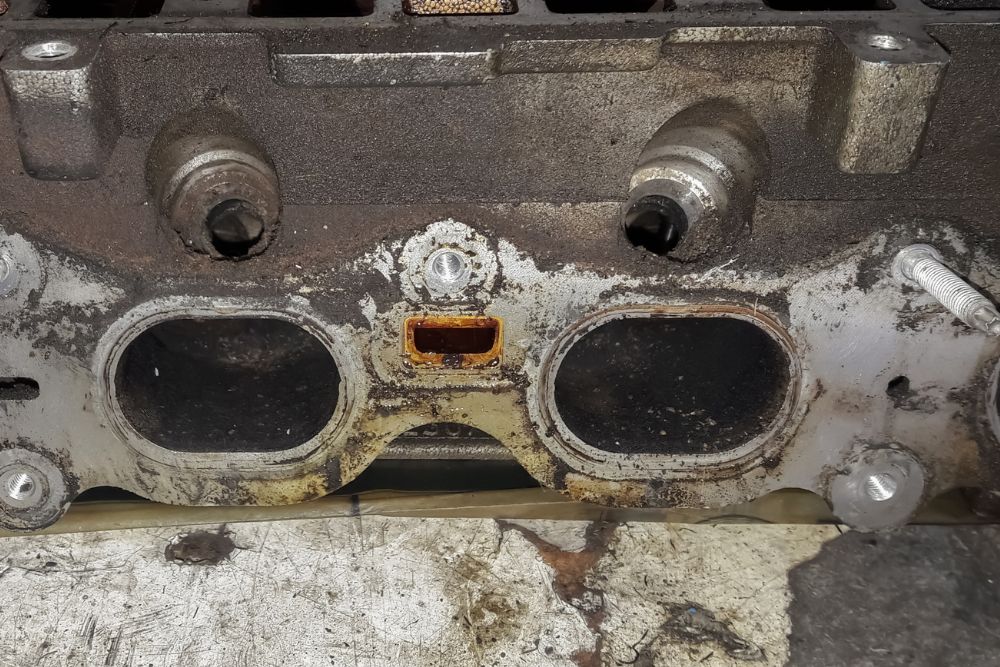
Bore scoring refers to vertical scratches or grooves that develop on the cylinder walls of an engine. In Porsche engines, particularly the M96 and M97 flat-six engines found in 996 and 997 generation 911s, Boxsters, and Caymans, this issue is relatively common. The problem occurs when there is inadequate lubrication between the cylinder walls and the pistons, causing metal-to-metal contact that damages the cylinder bores.

Several factors contribute to bore scoring in Porsche engines. The aluminium construction of these engines, while excellent for weight reduction, is softer than traditional iron blocks and more susceptible to scoring. Additionally, the Nikasil coating used on cylinder walls can wear over time, especially with improper oil maintenance or when subjected to high temperatures and pressures during spirited driving.

Another significant factor is the cylinder design itself. Porsche’s horizontally-opposed (boxer) engine layout means that oil can pool in the lower cylinders when the car sits for extended periods, leaving upper cylinders with insufficient lubrication during cold starts. This is particularly problematic in New Zealand’s variable climate, where temperature fluctuations can exacerbate these issues.

Identifying Signs of Bore Scoring in Your Porsche

Recognising the early symptoms of bore scoring can help prevent catastrophic engine failure.

One of the first signs is unusual engine noise, particularly a distinct ticking sound that increases with engine temperature. This noise often results from the pistons making contact with the damaged cylinder walls.

Reduced performance and power loss are also common indicators. As the cylinder walls become scored, compression decreases, and the engine cannot produce the same power output as before. You might notice this as sluggish acceleration or a general feeling that your Porsche isn’t as responsive as it once was.

Oil consumption is another critical warning sign. If your Porsche begins using more oil than usual between services, this could indicate that oil is bypassing the piston rings due to cylinder wall damage. Regular oil level checks are essential for Auckland Porsche owners, as our hilly terrain and winding roads can put additional stress on engines.

Smoke from the exhaust, particularly blue smoke, indicates that oil is entering the combustion chambers. This is often a late-stage symptom of bore scoring and suggests significant damage has already occurred. If you notice blue smoke coming from your Porsche’s exhaust, especially during acceleration after idle, it’s crucial to have your engine inspected immediately by a specialist such as our team at Dodson.

Preventative Measures for Auckland Porsche Owners

Preventing bore scoring starts with proper maintenance and driving habits. Regular oil changes with high-quality, Porsche-approved oils are essential. In Auckland’s diverse driving conditions, from city traffic to motorway cruising, maintaining proper oil levels is particularly important.

Warm-up procedures can significantly reduce the risk of bore scoring. Allow your engine to reach operating temperature before driving aggressively, especially on cold Auckland mornings. The gentle warm-up allows oil to properly circulate throughout the engine, ensuring all components receive adequate lubrication.

Using the correct oil viscosity for New Zealand’s climate is crucial. Many Auckland Porsche owners operate their vehicles year-round, from warm summer days to cool winter mornings. Consulting with a specialist who understands both Porsche engines and local driving conditions can help determine the optimal oil for your specific model and driving habits.

Regular compression and leakdown tests are valuable diagnostic tools for early detection of cylinder issues. These tests can identify problems before they develop into serious bore scoring, allowing for less invasive and less expensive repairs. At Dodson, we recommend annual compression testing for all Porsche owners, especially those with models known to be susceptible to bore scoring.

Advanced Solutions for Affected Engines

If your Porsche has already developed bore scoring, several repair options are available. The appropriate solution depends on the severity of the damage and your budget. For minor scoring, cylinder honing and new pistons might be sufficient. This process smooths out light scratches and restores the cylinder surface, allowing for proper sealing with new pistons and rings.

For more severe cases, cylinder replating or sleeving may be necessary. These processes involve either applying a new coating to the damaged cylinders or installing hard metal sleeves to create a more durable surface. While more expensive than honing, these repairs can extend engine life significantly and improve reliability.

In cases of extensive damage, a complete engine rebuild or replacement might be the most cost-effective long-term solution. While initially more expensive, a properly rebuilt engine can offer peace of mind and potentially enhanced performance with modern updates and improvements.

Many Porsche owners also consider preventative cylinder strengthening, even for engines without current issues. This proactive approach can be particularly valuable for those who use their vehicles for track days or spirited driving through New Zealand’s beautiful mountain passes.

Need Help Servicing Your Porsche Engine?

Regular maintenance by qualified specialists is your best defence against bore scoring and other engine issues. As Auckland’s premier independent Porsche service specialists, we at Dodson understand the intricacies of these magnificent engines and the specific challenges they face in New Zealand driving conditions.

Our team of expert technicians specialises in performance and exotic car servicing, including comprehensive diagnostics and repairs for Porsche engines affected by bore scoring. We use only the highest quality parts and fluids, ensuring your Porsche receives the care it deserves. If you’re concerned about bore scoring or want to establish a preventative maintenance plan for your Porsche, contact our team today by calling 09 441 3635 or email us at service@dodsonmotorsport.com.
Guide to Selecting the Right Brake Pads for Your Performance Car

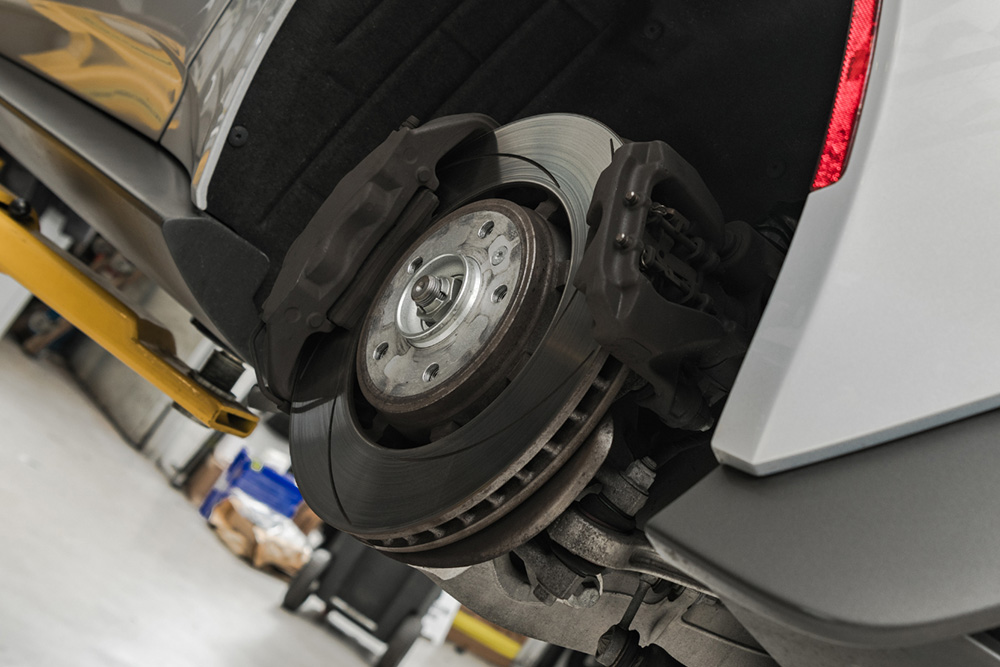
Choosing the right brake pads for your performance vehicle is a critical decision that directly impacts your driving experience, safety, and vehicle performance. This comprehensive guide will help Auckland performance car owners understand how to select brake pads that match their driving style, vehicle specifications, and performance expectations.

Understanding Performance Brake Pad Materials

Performance brake pads come in various materials, each with specific characteristics suited for different driving conditions and vehicle types. The material composition significantly affects braking performance, durability, and cost.

Organic Brake Pads

Organic brake pads are made from materials like rubber, glass, and resins mixed with binding agents. These pads are generally quieter and produce less dust than other options, making them suitable for daily driving in Auckland’s urban conditions.

These pads offer excellent initial bite and are gentle on brake rotors. However, they typically have a shorter lifespan compared to other materials and may fade during aggressive driving or when brakes reach high temperatures on track days.

Semi-Metallic Brake Pads

Semi-metallic brake pads contain 30-65% metal content, including steel, copper, and iron. These pads are durable and provide consistent performance across a wide temperature range, making them ideal for Auckland drivers who occasionally take their performance cars to track days or drive enthusiastically on winding roads in the Waitakere Ranges or Coromandel Peninsula.

They provide excellent heat transfer capabilities, reducing the risk of brake fade during aggressive driving. The downside is they tend to be noisier and can accelerate rotor wear compared to organic options.

Ceramic Brake Pads

Ceramic brake pads are premium options made from ceramic fibres, bonding agents, and small amounts of metal. They offer exceptional performance for high-end European and exotic cars commonly serviced at Dodson.

These pads produce minimal dust, operate quietly, and provide consistent performance across varying temperatures. While they’re more expensive initially, their longer lifespan often makes them cost-effective for luxury performance vehicles like Porsches, Mercedes AMGs, and Audis.

Full Metallic Brake Pads

Full metallic or sintered brake pads contain 90% or more metal content. These high-performance pads are primarily designed for racing applications or extreme performance driving.

For Lamborghini or McLaren owners in Auckland who occasionally participate in track events, these pads offer unmatched stopping power and heat resistance. However, they’re loud, produce significant dust, and can wear rotors quickly, making them impractical for regular street driving.

Matching Brake Pads to Your Driving Style

Selecting brake pads that complement your specific driving habits ensures optimal performance and longevity of your braking system.

Street Driving

For Auckland commuters who primarily use their performance cars for daily driving, pads with lower dust and noise characteristics should take priority. Ceramic or premium organic compounds typically offer the best balance of performance and comfort for street applications.

These pads provide sufficient stopping power for occasional spirited driving while maintaining civilised behaviour in heavy traffic conditions common around the Auckland Harbour Bridge and Northern Motorway.

Track Day Enthusiasts

If you regularly participate in track days, prioritise brake pads with excellent heat management capabilities and fade resistance. Semi-metallic or racing compound pads typically offer the best performance under these demanding conditions.

These specialised pads can withstand the repeated hard braking events experienced during track sessions without compromising stopping power. Many Auckland performance car owners maintain a separate set of pads specifically for track use.

Mixed Usage

For drivers who use their performance vehicles for daily commuting but occasionally attend track events, a high-temperature ceramic or aggressive semi-metallic pad offers the best compromise. These pads provide adequate performance for both scenarios without requiring frequent changes.

Additional Factors When Choosing Performance Brake Pads

Beyond the basic material composition and driving style considerations, several other factors should influence your brake pad selection.

Vehicle Weight and Power

Heavier and more powerful vehicles generate more kinetic energy that must be dissipated through the braking system. Auckland’s numerous elevation changes and winding roads make this consideration particularly important.

Performance cars with substantial power outputs like the Porsche 911 Turbo or Mercedes AMG GT require brake pads capable of handling this additional thermal load. Premium ceramic or semi-metallic compounds specifically designed for high-performance applications are typically recommended for these vehicles.

Climate Considerations

Auckland’s relatively mild but often wet climate affects brake pad performance. Certain compounds perform better in wet conditions, providing more consistent stopping power during Auckland’s frequent rain showers.

Pads with higher initial cold bite are beneficial for Auckland’s temperate climate, as brakes rarely reach the extreme temperatures experienced in hotter regions except during track use.

Brake System Compatibility

Modern performance vehicles often feature sophisticated braking systems with specific requirements. For example, cars equipped with ceramic composite rotors may require specially formulated pads to prevent damage to these expensive components.

Performance cars with electronic brake distribution, brake-by-wire systems, or regenerative braking setups might have manufacturer-specific recommendations for pad compounds that ensure proper system function and sensor operation.

Warranty Implications

Some performance car manufacturers have specific requirements regarding brake components to maintain vehicle warranties. For exotic and high-end European vehicles common in Auckland’s affluent areas, maintaining proper service records with approved parts is particularly important for preserving resale value.

The Importance of Professional Installation and Bedding Procedures

Proper installation and bedding of new brake pads are critical for optimal performance and longevity. This process creates an even transfer layer between the pad and rotor surface, ensuring consistent braking performance.

The bedding procedure typically involves a series of controlled braking events from moderate speeds, gradually building heat in the system without coming to a complete stop. This critical process should be performed by experienced technicians familiar with performance brake systems.

Skipping this crucial step can result in uneven pad material deposits, brake judder, premature wear, and compromised stopping power – all particularly dangerous on Auckland’s varied road conditions from motorway driving to steep descents in areas like Titirangi.

Need Expert Brake Pad Advice for Your Performance Car?

Selecting the right brake pads involves balancing performance requirements, driving habits, and vehicle specifications. For Auckland performance car owners, consultation with specialists who understand both the technical aspects and local driving conditions provides valuable guidance.

As premium car service specialists in Auckland, we at Dodson Motorsport offer expert advice on brake pad selection for high-performance and exotic vehicles. Contact our team today by calling 09 441 3635 or emailing service@dodsonmotorsport.com to discuss the optimal brake pad solution for your performance car.

Are “Lifetime” Transmission Fluids Really Lifetime?

Many modern vehicles come with what manufacturers label as “lifetime” transmission fluid, suggesting you’ll never need to change it throughout your vehicle’s life. This claim sounds convenient and cost-effective, but is it truly accurate, especially for performance and luxury vehicles in Auckland’s driving conditions?

The Truth About “Lifetime” Transmission Fluids

When manufacturers advertise “lifetime” transmission fluids, what they’re actually referring to is the expected service life of the transmission under ideal conditions. In reality, this marketing term can be misleading for several reasons.

Transmission fluid, like any lubricant, degrades over time due to heat, friction, and contamination. Even the highest quality fluids break down as they age, losing their protective qualities and ability to properly lubricate the transmission’s complex components. For performance and exotic cars driven in Auckland, with our unique coastal environment and varying driving conditions, this degradation can happen even faster.

Most manufacturers define “lifetime” as around 160,000 to 200,000 kilometers. However, for high-performance vehicles like Lamborghinis, BMWs, and Porsches, pushing the transmission without proper fluid changes can lead to premature wear and costly failures long before reaching this milestone.

How Transmission Fluid Ages and Deteriorates

Transmission fluid doesn’t simply maintain its composition indefinitely. Several factors affect its longevity and performance capabilities, especially in high-performance vehicles.

Heat Exposure

The primary enemy of transmission fluid is heat. Dual-clutch transmissions (DCTs) and other performance transmissions operate at higher temperatures, particularly when driven enthusiastically or in stop-and-go Auckland traffic. Each time the fluid exceeds optimal temperature ranges, its molecular structure begins to break down, reducing its effectiveness and protective qualities.

Performance cars with powerful engines generate significantly more heat than standard vehicles, accelerating fluid degradation even further. Without regular replacement, these thermal cycling events gradually diminish the fluid’s ability to protect critical components.

Contamination and Debris

As your transmission operates, tiny metal particles and clutch material gradually accumulate in the fluid. Even with the best filtration systems, these contaminants eventually affect fluid performance and can accelerate wear on precision components.

In exotic and performance vehicles with advanced DCT systems like those found in modern AMGs, Porsches, and McLarens, even minimal contamination can compromise shifting performance and long-term reliability.

Additive Depletion

Modern transmission fluids contain sophisticated additive packages that prevent corrosion, reduce friction, and maintain proper viscosity across varying temperatures. These additives are consumed during normal operation and cannot replenish themselves.

Over time, crucial additives that protect your transmission’s expensive components become depleted, leaving your transmission vulnerable to accelerated wear and potential failure—especially problematic in high-torque performance applications common in exotic vehicles.

The Real-World Consequences of Not Changing “Lifetime” Fluids

Ignoring transmission fluid changes can have serious implications, particularly for performance vehicle owners in Auckland.

Diminished Shifting Performance

One of the first signs of degraded transmission fluid is reduced shifting quality. In performance cars with DCT systems like PDK, DSG, or SST transmissions, this manifests as delayed engagement, harder shifts, or hesitation during gear changes. These symptoms not only diminish your driving experience but indicate increasing wear on internal components.

Performance vehicles rely on precise hydraulic pressure and fluid quality to execute rapid gear changes. As fluid degrades, these precision systems operate less efficiently, directly impacting performance and driver enjoyment.

Accelerated Component Wear

Worn transmission fluid loses its ability to properly lubricate critical moving parts. In high-performance transmissions, which operate under significant stress, this leads to accelerated wear on bearings, gears, and clutch packs.

The complex valve bodies and solenoids in modern transmissions like those found in Lamborghinis, GTRs, and AMGs are particularly susceptible to contamination from degraded fluid, potentially leading to erratic operation and expensive repairs.

Catastrophic Failures

In the worst cases, severely degraded transmission fluid can lead to complete transmission failure. For exotic and performance vehicles, replacement costs can be extraordinarily high—often tens of thousands of dollars for vehicles like McLarens, Porsches, and high-end BMWs.

These failures typically occur without warning and almost always at the most inconvenient times, potentially leaving you stranded and facing significant repair bills that could have been avoided with proper maintenance.

The Importance of Regular Transmission Service for Performance Vehicles

For high-performance and exotic car owners in Auckland, regular transmission maintenance is even more crucial than for standard vehicles.

Specialised Fluid Requirements

Most performance and exotic cars require specific transmission fluids with unique properties designed for their advanced transmission systems. These specialised fluids maintain precise clutch engagement, manage higher operating temperatures, and provide enhanced protection for high-torque applications.

Using incorrect fluids or allowing specialised fluids to age beyond their effective lifespan can compromise transmission performance and longevity. Vehicles with DCT systems like PDK, DSG, and SST are particularly sensitive to fluid condition and specification.

Environmental Factors in Auckland

Auckland’s coastal environment introduces additional considerations for transmission maintenance. Salt air exposure can accelerate component corrosion, while our varied terrain—from city driving to winding coastal roads—places additional demands on transmission systems.

These environmental factors make regular fluid changes even more important for Auckland drivers, particularly those with performance vehicles that may see occasional track use or spirited driving along our scenic routes.

Performance Benefits of Fresh Transmission Fluid

Beyond preventing failures, regular transmission fluid changes deliver tangible performance benefits. Fresh fluid ensures optimal shift timing, maximum power transfer, and responsive gear changes—all critical factors in enjoying your performance vehicle as intended.

For dual-clutch transmissions common in modern performance cars, fluid condition directly impacts shift speed and smoothness. Regular maintenance ensures your vehicle maintains factory-specified performance characteristics throughout its life.

Recommended Service Intervals for Performance Transmissions

Despite manufacturer claims about “lifetime” fluids, experienced specialists recommend much more frequent service intervals for high-performance vehicles.

General Guidelines

For most performance and exotic cars in Auckland driving conditions, transmission fluid should be changed every 40,000 to 60,000 kilometers, regardless of manufacturer “lifetime” claims. Vehicles used in more demanding applications may require even more frequent service intervals.

This preventative approach is considerably more cost-effective than addressing transmission problems after they develop, particularly given the expensive nature of performance transmission repairs.

Tracking Early Warning Signs

Pay attention to subtle changes in transmission behavior, such as delayed engagement when cold, reluctance to shift at specific RPMs, or unusual sounds during gear changes. These early warning signs often indicate the need for transmission service regardless of kilometer intervals.

Modern performance transmissions are sophisticated systems that communicate problems through subtle changes in behavior long before catastrophic failures occur. Learning to recognize these signs can save Auckland performance car owners significant expense.

Need Expert Transmission Service for Your Performance or Exotic Car?

Regular transmission maintenance is essential for preserving your high-performance vehicle’s reliability, performance, and value, regardless of manufacturer claims about “lifetime” fluids.

As Auckland’s premier performance car service centre, we at Dodson specialise in transmission servicing for exotic and high-performance vehicles including Lamborghinis, Porsches, AMGs, GTRs, and more. Our expertise with DCT, DSG, SST, and PDK transmissions ensures your vehicle receives the proper care it deserves. Contact our team today by calling 09 441 3635 or email service@dodsonmotorsport.com to schedule your transmission service and protect your valuable investment.

How Often Do You Need to Change Diff Oil?

Regular maintenance is essential for keeping your performance vehicle running at its best. While engine oil changes are a common part of vehicle maintenance, differential oil changes are often overlooked despite being crucial for your car’s performance and longevity.

When to Change Your Differential Oil

For most standard vehicles, differential oil should be changed every 50,000 to 100,000 kilometres. However, for high-performance and exotic cars like Lamborghinis, Porsches, and Nissan GTRs, more frequent changes are necessary. These performance vehicles typically require differential oil changes every 30,000 to 50,000 kilometres due to the increased stress placed on the differential system during spirited driving.

The frequency of differential oil changes also depends on your driving habits. If you regularly take your car to track days at Hampton Downs or Taupo, you should consider changing your differential oil more frequently, potentially every 20,000 kilometres. The high temperatures and stress generated during track use cause the oil to break down faster, reducing its protective qualities.

Luxury European vehicles with sophisticated all-wheel-drive systems, such as Audi Quattro models, often have more complex differential setups that require specialised attention. These vehicles may have multiple differentials, including front, rear, and centre units, each needing proper maintenance to ensure optimal performance and prevent costly repairs.

Signs Your Differential Oil Needs Changing

Unusual Noises

One of the most common indicators that your differential oil needs changing is unusual noises coming from your vehicle. If you hear whining, grinding, or howling sounds, especially during turns or when accelerating, it could signal that your differential is not properly lubricated. Auckland’s varied terrain, from the harbour bridge to the winding roads of the Waitakere Ranges, can expose these issues during regular driving.

These noises occur because worn or contaminated differential oil fails to provide adequate lubrication between the gears, leading to metal-on-metal contact. Ignoring these warning signs can result in severe damage to your differential components, particularly in high-performance vehicles that put significant stress on these systems.

Vibration and Handling Issues

If you notice vibrations or handling issues, particularly during cornering or acceleration, your differential oil might be past its prime. Performance cars rely on their differentials to deliver power smoothly to the wheels, and compromised differential oil can significantly impact this function.

For Auckland drivers with luxury performance vehicles, these handling issues can be particularly noticeable when navigating the city’s diverse road conditions, from the smooth motorways to the steep inclines of suburban areas. Proper differential maintenance ensures your exotic or performance car delivers the precise handling characteristics it was designed for.

Factors Affecting Differential Oil Change Frequency

Driving Conditions in Auckland

Auckland’s unique driving environment presents specific challenges for performance vehicles. The stop-start traffic in the CBD, combined with the opportunity for higher-speed driving on the Northern or Southern Motorways, creates varying loads on your vehicle’s differential.

Additionally, the humidity in Auckland’s climate can lead to condensation within the differential housing, potentially contaminating the oil. These local environmental factors make regular differential oil changes even more critical for Auckland-based performance car owners.

Vehicle Usage

How you use your performance vehicle significantly impacts your differential maintenance needs. Towing or carrying heavy loads puts additional strain on the differential, as does aggressive acceleration or frequent high-speed driving—both common with performance car enthusiasts.

For those Auckland drivers who use their cars for weekend track events at local circuits, the differential experiences extreme conditions that standard maintenance schedules don’t account for. In these cases, more frequent differential oil changes are essential to maintain performance and prevent premature wear.

Vehicle Age and Mileage

Older performance vehicles or those with higher mileage may require more frequent differential oil changes. As differentials age, seals can become less effective, allowing contaminants to enter the system or permitting oil leaks that reduce the lubricant level.

Many Auckland collectors and enthusiasts maintain classic or vintage performance cars that need specially formulated differential oils and more frequent service intervals. These older vehicles often have less sophisticated differential designs that are more susceptible to wear without proper maintenance.

Types of Differential Oil for Performance Vehicles

Synthetic vs Conventional Oils

For high-performance and exotic vehicles, synthetic differential oils offer superior protection and performance compared to conventional oils. Synthetic oils maintain their viscosity better under extreme temperatures and provide improved lubrication during the high-stress situations that performance cars routinely experience.

While synthetic oils typically cost more than conventional options, they often last longer and provide better protection for your valuable differential components. This makes them the preferred choice for exotic cars like Lamborghinis or high-performance BMWs and Mercedes AMGs that frequent Auckland roads.

Viscosity Considerations

Choosing the right viscosity for your differential oil is crucial for optimal performance. Different vehicles require specific viscosities based on their design, intended use, and the manufacturer’s recommendations. Using the wrong viscosity can lead to inadequate lubrication or excess drag on the differential components.

Auckland’s relatively mild climate means that extreme temperature considerations are less critical than in some regions, but performance cars still generate significant heat during operation. Specialist performance car service centres understand the specific requirements for each performance vehicle make and model, ensuring the correct differential oil is used during service.

Consequences of Neglecting Differential Oil Changes

Premature Wear and Failure

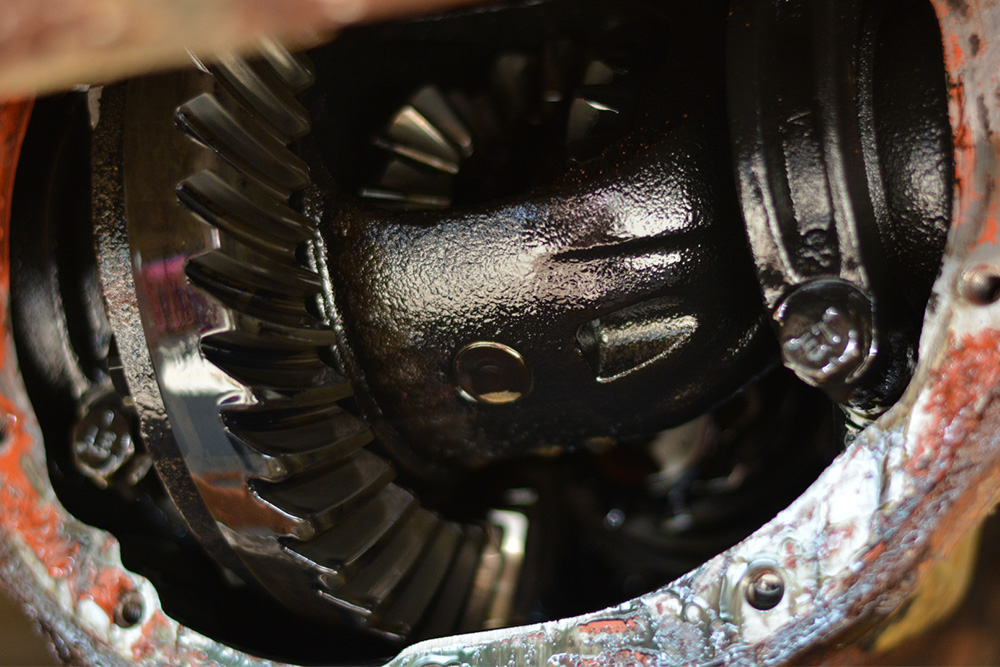
Neglecting differential oil changes can lead to premature wear of critical components, including the ring and pinion gears, bearings, and thrust washers. Once these components are damaged, repair costs can be substantial, especially for exotic and high-performance vehicles with specialised parts.

For Auckland drivers with vehicles like McLarens or Audi R8s, the cost of repairing a damaged differential can be particularly high due to the specialised nature of these components and the expertise required to work on such vehicles. Regular differential oil changes represent a small investment compared to the potential repair costs.

Reduced Performance

Performance vehicles are designed to deliver precise handling and power distribution. Degraded differential oil can compromise these characteristics, resulting in reduced acceleration, poor cornering ability, and generally disappointing performance from your prized vehicle.

Auckland’s diverse driving environments, from urban streets to scenic coastal roads, highlight the importance of maintaining optimal vehicle performance. Regularly changing your differential oil ensures your performance car continues to deliver the driving experience it was designed for.

Increased Fuel Consumption

A poorly lubricated differential creates additional resistance within the drivetrain, forcing the engine to work harder and consume more fuel. While performance car owners may not prioritise fuel economy, unnecessary consumption represents inefficiency that can be easily addressed through proper maintenance.

With Auckland’s fuel prices among the highest in New Zealand, even modest improvements in efficiency can result in noticeable savings over time, particularly for daily-driven performance vehicles.

Need Expert Differential Service for Your Performance Car?

Proper differential maintenance is essential for preserving the performance, reliability, and value of your high-end vehicle. Regular oil changes at the appropriate intervals will help ensure your differential components remain in optimal condition throughout your ownership experience.

As Auckland’s premier service centre for performance and exotic vehicles, we at Dodson provide specialist transmission servicing for a wide range of high-performance cars, including Lamborghinis, Audis, BMWs, Nissan GTRs, McLarens, Mercedes AMGs, Porsches, and more. Our team understands the unique requirements of these sophisticated vehicles and uses only the highest quality oils and components. Contact our team today by calling 09 441 3635 or emailing service@dodsonmotorsport.com to schedule your differential service.

Upgrades You Should Consider When Increasing Your Car’s Power

Increasing your car’s power is an exciting journey that many performance enthusiasts embark on, but it requires careful planning and consideration of multiple components to ensure your vehicle remains reliable and balanced. When you’re looking to extract more power from your engine, simply focusing on one component isn’t enough – a comprehensive approach is necessary to maintain safety and longevity.

Essential Upgrades When Increasing Your Car’s Power

Performance Tyre Upgrades

One of the most critical yet often overlooked aspects of increasing your car’s power is upgrading your tyres. Factory tyres are typically designed to balance comfort, noise, fuel efficiency, and grip. When you substantially increase your car’s power output, these standard tyres may not provide adequate traction or handling capabilities.

High-performance tyres offer improved grip through specialised rubber compounds, tread patterns designed for maximum contact patch, and stiffer sidewalls that provide better cornering stability. For Auckland drivers, selecting tyres that perform well in both dry and wet conditions is essential, given our variable weather patterns throughout the year.

Consider increasing tyre width where possible, as wider tyres provide a larger contact patch with the road, allowing you to put more power down effectively. However, this should be done with proper consideration for wheel offset and suspension geometry to avoid rubbing or handling issues.

For vehicles that see track use, dedicated semi-slick tyres can provide dramatic improvements in grip levels, though these often sacrifice wet weather performance and longevity for maximum dry grip. For daily drivers with increased power, high-performance street tyres from manufacturers like Michelin, Pirelli, or Bridgestone offer excellent balance between grip and practicality.

Transmission Reinforcement

The transmission is one of the first components that will feel the strain of increased power output. Standard factory transmissions are designed to handle stock power levels, and when you significantly increase those levels, the transmission can become a weak point. For vehicles with dual clutch transmissions (DCT), such as those found in many modern performance cars, reinforced clutch packs are essential.

Upgrading your transmission might include installing stronger clutch plates, reinforced gear sets, or even a complete transmission rebuild with performance components. Many Auckland performance car owners discover that their transmission begins to slip or show signs of wear after engine modifications, which can lead to expensive repairs if not addressed proactively.

Performance transmission components can handle the additional torque from engine upgrades while maintaining crisp shifting and extending the life of your gearbox. This is particularly important for vehicles that will see track use or aggressive driving conditions.

Cooling System Improvements

Increased power generation inevitably creates more heat, making cooling system upgrades a critical consideration. Stock cooling systems are designed for factory power outputs and may become inadequate when your engine is producing significantly more power.

Upgrading your radiator to a high-flow aluminium unit, installing an oil cooler, and even adding transmission cooling for DCT or automatic gearboxes can prevent overheating issues that might otherwise lead to engine damage or performance limitations. In Auckland’s varying climate conditions, from summer track days to stop-and-go city traffic, proper cooling becomes even more important.

Additionally, consider upgrading your engine’s water pump to a high-flow unit that can move coolant more efficiently through the system. Some performance builds also benefit from additional cooling fans or modified ducting to improve airflow through heat exchangers.

Fuel System Enhancements

Your engine’s fuel system must keep pace with increased power demands. Higher outputs require more fuel, delivered at higher pressures and with greater precision than stock systems can typically provide.

A comprehensive fuel system upgrade might include larger injectors, a higher capacity fuel pump, and reinforced fuel lines. For significantly increased power levels, you might even need to consider a complete fuel system overhaul, possibly including a return-style fuel system for the most demanding applications.

Many modern turbocharged engines become fuel-limited when power increases exceed 20-30% over stock. Ensuring your fuel system can deliver consistent pressure and volume under all conditions is essential for both performance and engine safety.

Braking System Upgrades

While not directly related to power production, upgrading your braking system is a critical safety consideration when increasing your car’s performance. The additional speed capabilities that come with more power demand equivalent stopping power improvements.

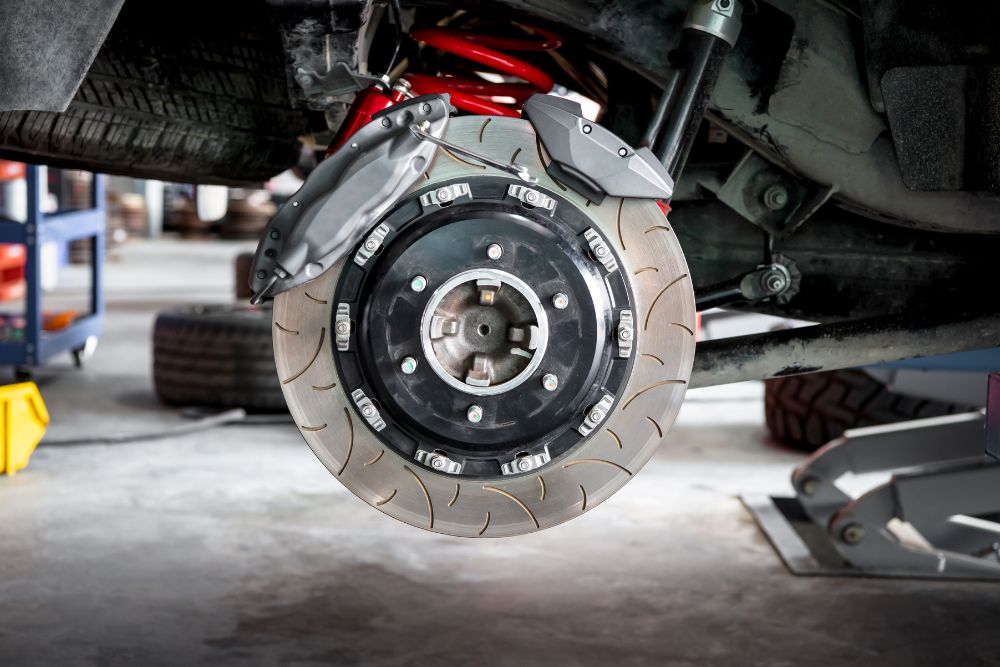
Larger diameter rotors, multi-piston calipers, performance brake pads, and high-temperature brake fluid are all worthy investments. For serious performance builds, considering ceramiccomposite rotors or race-specification brake systems might be appropriate, especially if your car will see track use.

Remember that in Auckland’s often wet conditions, brake performance becomes even more critical. A balanced braking system upgrade should consider both dry and wet performance characteristics.

Suspension and Chassis Reinforcement

The increased acceleration, cornering speed, and braking forces that come with power upgrades place additional stress on your car’s suspension components and chassis. Factory suspension bushings, control arms, and even chassis mounting points may not be designed to handle these increased forces.

Upgrading to polyurethane bushings, reinforced control arms, and adding chassis bracing can help maintain proper alignment under hard driving conditions. For serious performance builds, coilover suspension systems offer adjustability that can help manage the additional weight transfer dynamics of a more powerful vehicle.

In Auckland’s varied road conditions, from smooth motorways to winding coastal roads, a balanced suspension upgrade ensures your car can put its new power to the ground effectively and safely.

Differential and Driveline Components

Transferring increased power to the ground requires attention to your car’s differential and driveline components. Limited-slip differentials, stronger axles, and reinforced driveshafts may be necessary depending on your power goals and driving style.

For all-wheel drive vehicles like the Nissan GTR or Mitsubishi Evo, centre differential upgrades can improve power distribution and reduce driveline binding under high loads. Rear-wheel drive cars often benefit from differential cooling additions, especially when used in high-performance driving environments.

Weight Reduction and Aerodynamics

Sometimes the best way to make your car faster isn’t just adding power, but also reducing weight and improving aerodynamics. Carbon fibre components, lightweight wheels, and reduced interior weight can all contribute to better performance without placing additional strain on mechanical components.

Aerodynamic enhancements like front splitters, rear diffusers, and properly designed wings can increase high-speed stability and cornering grip, allowing you to use your increased power more effectively on track or during spirited driving on Auckland’s coastal roads.

Expert Assistance with Performance Upgrades

When considering performance upgrades for your vehicle, working with specialists who understand the intricate balance between various systems is crucial. Piecemeal modifications without considering the entire vehicle as a system often lead to reliability issues, premature component failure, or disappointing performance gains.

As performance car specialists in Auckland, we at Dodson understand the complex interplay between power production and reliable performance. Our experience with high-performance and exotic vehicles allows us to provide guidance that ensures your power upgrades are matched with appropriate supporting modifications.

From Lamborghinis and McLarens to Nissan GTRs and BMW M cars, we’ve helped countless Auckland performance enthusiasts achieve their power goals while maintaining reliability and drivability. Our comprehensive approach to vehicle performance ensures that no aspect of your car’s systems is overlooked when increasing power outputs.

Need help planning or implementing your car’s power upgrades? Contact our team today by calling 09 441 3635 or emailing service@dodsonmotorsport.com to discuss how we can help make your performance goals a reality while ensuring your vehicle remains reliable and balanced.

Most Popular Performance Upgrades for Porsches in New Zealand

Performance enthusiasts in New Zealand looking to improve their Porsche experience have several options to consider. Whether you own a 911, Cayman, Boxster, or Taycan, personalising your Porsche with the right upgrades can transform your driving experience on New Zealand’s diverse roads. This article explores the most popular performance modifications for Porsches in NZ and what makes them worthwhile investments.

Popular Engine Performance Upgrades for Porsches

Engine tuning remains the most popular upgrade among Porsche owners in New Zealand. ECU remapping specifically calibrated for local fuel quality and driving conditions can unlock significant power gains without compromising reliability.

Professional tuning can yield anywhere from 15-50 additional horsepower depending on your Porsche model, with turbo variants seeing the most dramatic improvements. Many Auckland-based Porsche enthusiasts report noticeable differences in throttle response and mid-range torque after quality ECU modifications.

Exhaust system upgrades are another favourite among New Zealand Porsche owners. High-performance exhaust systems not only produce the signature Porsche sound that enthusiasts crave but also improve engine breathing and power output.

Cat-back systems offer a balance of performance gains and compliance with New Zealand’s vehicle regulations. Full titanium systems, while more expensive, provide weight savings that complement the power increases, something particularly valued by track-day enthusiasts who frequent circuits like Hampton Downs and Taupo.

Intake systems designed for New Zealand’s varying climate conditions from Auckland’s humidity to the South Island’s cooler temperatures also rank high on modification lists. Cold air intake systems help maintain optimal air temperature entering the engine, resulting in more consistent power delivery.

Transmission and Drivetrain Upgrades

Dual Clutch Transmission (PDK) optimisations have become increasingly popular among New Zealand Porsche owners. Software modifications can improve shift times and responsiveness, making the already impressive PDK system even more engaging on winding coastal roads and mountain passes.

Transmission cooling upgrades are particularly valuable for those who participate in track events during New Zealand’s warmer months, preventing performance degradation during extended high-performance driving sessions.

Clutch upgrades for manual transmission Porsches represent another significant area of improvement. Performance clutch kits capable of handling increased torque can transform the driving experience, especially for modified cars. Staged clutch packages are available that match your specific power level and driving style, from daily commuting in Auckland traffic to weekend mountain drives in the Coromandel Peninsula.

Limited-slip differential upgrades provide Porsche owners with improved traction on New Zealand’s occasionally wet and winding roads. These modifications are particularly valuable for higher-powered models, helping to put power down efficiently when exiting corners. The variable weather conditions across New Zealand make this upgrade especially practical for those who drive enthusiastically year-round.

Suspension and Handling Improvements

Coilover suspension systems calibrated specifically for New Zealand road conditions rank among the most transformative upgrades for Porsche owners. Quality coilovers offer adjustable height and damping settings, allowing drivers to fine-tune their setup for different scenarios – from daily driving on Auckland’s urban roads to spirited runs through the Waitakere Ranges. The ability to increase stiffness for track days while maintaining compliance for road use makes these systems particularly versatile for the Kiwi Porsche enthusiast.

Anti-roll bars (sway bars) represent a cost-effective handling upgrade that many New Zealand Porsche owners implement before more extensive modifications. Adjustable bars allow for fine-tuning of the car’s handling balance, reducing body roll through corners without compromising ride quality. This modification is especially valuable given the varied driving conditions found across New Zealand’s North and South Islands.

Performance-oriented alignment settings and chassis bracing also feature prominently among handling upgrades favoured by New Zealand Porsche owners. Professional alignment services that optimise camber, caster, and toe settings for performance driving can dramatically improve handling precision on the twisting coastal roads around Auckland and beyond. Strut braces and chassis reinforcement kits further enhance structural rigidity, allowing the suspension components to work more effectively.

Braking System Enhancements

High-performance brake pads designed to operate efficiently across New Zealand’s wide temperature range have become essential upgrades for enthusiastic Porsche drivers. These pads offer improved stopping power and fade resistance during spirited driving, particularly important on challenging descents like those found in the Coromandel and Central Plateau regions. There are many compounds specifically suited to local driving conditions and personal driving styles.

Brake fluid upgrades with higher boiling points prove particularly valuable in New Zealand’s diverse climate conditions. This relatively inexpensive modification significantly improves brake pedal feel consistency during aggressive driving sessions, whether at track events or on demanding mountain roads. The performance benefit relative to cost makes this one of the most common initial upgrades for Porsche owners throughout the country.

Larger brake kits, including multi-piston calipers and larger rotors, represent more substantial investments that deliver proportional benefits for high-performance driving. These systems provide increased thermal capacity and improved modulation, allowing for later braking and greater confidence when pushing the car’s limits. For Porsche owners who regularly attend track days at circuits like Hampton Downs, these upgrades can significantly reduce lap times while enhancing safety.

Wheel and Tire Combinations

Lightweight forged wheels have become increasingly popular among New Zealand Porsche enthusiasts seeking both aesthetic and performance benefits. The reduced unsprung weight improves acceleration, braking, and handling response – advantages particularly noticeable on the winding roads of the North Island. Many Auckland-based Porsche owners opt for wider wheels that accommodate larger tire sections, increasing mechanical grip for improved cornering capability.

Premium performance tires specifically chosen for New Zealand’s varied road surfaces and climate conditions represent perhaps the most impactful upgrade in terms of tangible performance gains. The right tire selection can dramatically improve grip in both dry and wet conditions, a crucial consideration given New Zealand’s changeable weather patterns. Many specialists recommend specific compounds and tread patterns based on individual driving habits and local conditions.

Proper wheel alignment and corner balancing services complete the wheel and tire package, ensuring that all components work together optimally. These services help maximise the performance potential of upgraded wheels and tires while extending their service life – an important consideration given the premium cost of performance rubber.

Need Expert Porsche Performance Upgrades in Auckland?

At Dodson, we understand what makes your Porsche special and how to increase its performance to match New Zealand’s unique driving environments. Our team specialises in premium performance upgrades for Porsches and other exotic vehicles, ensuring your car performs at its absolute best whether on city streets or track days. Contact our Auckland workshop today by calling 09 441 3635 or email service@dodsonmotorsport.com to discuss how we can help transform your Porsche’s performance.

Top 5 Bolt-On Power Upgrades (Based on Expected Power Gains)

When it comes to getting more power from your performance car, there are numerous options that don’t require extensive engine rebuilds. The right bolt-on modifications can deliver significant gains while maintaining reliability when installed correctly.

In this post, we will cover the top 5 bolt on power upgrades you should consider if you want to get more power from your car.

Top 5 Bolt-On Power Upgrades for Your Performance Car

Bolt-on power upgrades are popular among performance enthusiasts for good reason. They offer an excellent balance between cost, installation complexity, and power gains. Here are the five most effective bolt-on modifications ranked by their typical power returns.

ECU Tuning/Remapping

ECU tuning is arguably the most cost-effective power upgrade you can make to a modern performance vehicle. By reprogramming your car’s engine control unit, you can optimise fuel delivery, ignition timing, boost pressure (for turbocharged cars), and other parameters that manufacturers often conservatively set from the factory.

A professional ECU tune on a turbocharged vehicle can yield power gains between 15-30% depending on the platform. Even naturally aspirated engines typically see 5-10% improvements. What makes ECU tuning particularly attractive is that it complements other modifications, amplifying their effectiveness when they’re installed together.

For Auckland performance car owners, professional tuning services can provide custom maps that account for our specific fuel quality and climate conditions, ensuring optimal performance without sacrificing reliability.

High-Flow Exhaust Systems

The factory exhaust system on many performance cars is designed with noise restrictions and mass production costs in mind rather than maximum power. Installing a high-quality aftermarket exhaust system reduces back pressure and allows exhaust gases to exit more efficiently.

A well-designed cat-back exhaust system typically delivers power gains of 5-15 horsepower, with higher gains on turbocharged vehicles. Beyond power improvements, you’ll also enjoy weight reduction and an enhanced exhaust note that better reflects your car’s performance character.

For high-end European and exotic cars, vehicle-specific exhaust systems are engineered to work with the sophisticated electronics and emissions systems while still providing measurable performance benefits. The right exhaust upgrade maintains compliance with New Zealand’s noise regulations while delivering noticeable improvements.

Cold Air Intake Systems

The engine’s ability to breathe is fundamental to power production. Factory air intake systems often prioritise noise reduction over maximum airflow. Aftermarket cold air intake systems place the air filter in a position to draw cooler, denser air from outside the engine bay.

These systems typically provide power gains of 5-12 horsepower, with the higher end of that range coming on forced induction vehicles. Cold air intakes also create a more aggressive induction sound that many enthusiasts appreciate.

The power benefits are most pronounced during Auckland’s warmer months when the temperature difference between under-bonnet air and outside air is greatest. A quality cold air intake is designed to maintain proper filtration while improving airflow, ensuring your engine remains protected.

Upgraded Intercoolers

For turbocharged and supercharged vehicles, heat is a performance enemy. As air is compressed by forced induction, it heats up and becomes less dense, reducing power. Larger, more efficient aftermarket intercoolers combat this effect by cooling the pressurised air more effectively before it enters the engine.

Intercooler upgrades can deliver 10-30 horsepower gains in the right applications, with the most significant improvements seen during repeated high-performance driving when heat soak becomes an issue. Beyond peak power figures, upgraded intercoolers help maintain consistent performance during track days or spirited driving sessions.

For Auckland drivers who occasionally take their cars to track events at Hampton Downs or Taupo, an intercooler upgrade can make a substantial difference in maintaining performance throughout a session, especially on warmer days.

Upgraded Turbochargers or Supercharger Pulleys

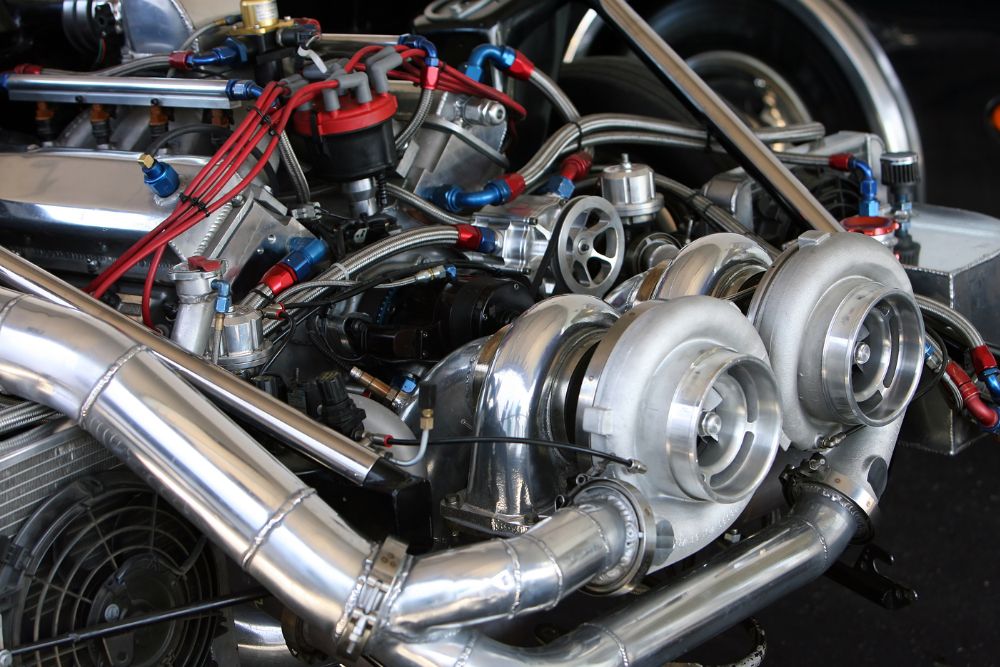
For those seeking the most significant bolt-on power gains, upgrading the forced induction components themselves offers tremendous potential. Replacing factory turbochargers with larger units or installing smaller pulleys on supercharged engines can dramatically increase boost pressure and airflow.

These modifications can yield dramatic power gains of 50-100+ horsepower when properly supported with appropriate fueling and ECU tuning. While they represent the upper end of “bolt-on” complexity, they still don’t require internal engine modifications in most cases.

It’s worth noting that such significant increases in power output place additional stress on other drivetrain components, particularly the transmission. This is where specialist knowledge of high-performance transmissions becomes invaluable to ensure your upgraded power can be reliably delivered to the wheels.

Important Considerations Before Upgrading

Maintaining Reliability with Power Increases

When adding power to your performance vehicle, maintaining reliability should be a primary concern. Factory engines and transmissions have specific tolerance levels, and exceeding them without appropriate supporting modifications can lead to costly failures.

Professional installation and tuning are crucial for high-end and exotic vehicles with complex electronics and engine management systems. Experienced performance shops understand the specific requirements of European marques like Porsche, BMW, Mercedes-AMG, and exotic brands like Lamborghini and McLaren.

For Auckland owners of high-performance Japanese vehicles like the Nissan GT-R or Toyota Supra, specialised knowledge of these platforms’ specific strengths and weaknesses ensures modifications enhance rather than compromise the driving experience.

Legal and Warranty Implications

Any modification to your vehicle has potential implications for both compliance with New Zealand transport regulations and manufacturer warranty coverage. Cars exceeding 20% more power than from factory are required to undergo certification in order to be road legal.

For newer vehicles still under warranty, some modifications may affect coverage for related components. Reputable performance specialists can advise on which upgrades maintain warranty compliance and which might require additional consideration.

For valuable exotic and European performance cars, documentation of modifications and professional installation provides important records for both insurance purposes and future resale value.

Need Professional Performance Upgrades for Your Exotic or European Car?

As performance and exotic car specialists in Auckland, we at Dodson understand the unique requirements of high-end performance vehicles. Our comprehensive approach ensures that power upgrades work harmoniously with your vehicle’s sophisticated systems while maintaining reliability.

Our team specialises in performance upgrades, car servicing and transmission servicing and upgrades for performance, exotic and supercars. Contact our expert team today by calling 09 441 3635 or email service@dodsonmotorsport.com to discuss how we can help enhance your car’s performance without compromising its longevity or refinement.

What Is the Best Engine Carbon Cleaner?

Best carbon cleaner for engines

Engine carbon cleaning is crucial for maintaining optimal vehicle performance and longevity. Over time, carbon deposits can accumulate in critical engine components such as intake valves, combustion chambers, and fuel injectors. This can lead to reduced fuel efficiency, sluggish acceleration, increased emissions, and even engine knocking. For car owners in Auckland, understanding the best engine carbon cleaning options is key to ensuring their vehicles run smoothly.

In this guide, we will explore the top engine carbon cleaners available, how they work, and what makes them effective.

The Best Engine Carbon Cleaners Available

Choosing the best engine carbon cleaner involves considering factors such as effectiveness, ease of application, and compatibility with your vehicle’s engine type. Here are some of the most effective engine carbon cleaners available in Auckland:

1. Walnut Blasting

For heavy carbon buildup, particularly in direct injection engines, walnut blasting is one of the most effective cleaning methods. This method involves using crushed walnut shells to physically blast away carbon deposits.

  • How It Works: A specialised machine sprays finely crushed walnut shells under pressure onto carbon-covered engine surfaces. The shells are abrasive enough to remove deposits without damaging engine components.
  • Key Benefits:
    • Highly effective for severe carbon buildup
    • Restores engine performance and efficiency
  • Best Suited For: Engines with significant carbon buildup, especially those using direct fuel injection systems (e.g., BMW, Audi, and Volkswagen vehicles).

2. Hydrogen Carbon Cleaning Machines

Hydrogen-based carbon cleaning machines have gained immense popularity for their ability to deeply clean engine components without disassembling the engine. These machines work by injecting hydrogen gas into the engine’s air intake system, where it burns off carbon deposits.

  • How It Works: The hydrogen gas reacts with carbon deposits, breaking them down into harmless gases like carbon dioxide, which are expelled through the exhaust system.
  • Key Benefits:
    • Non-invasive and safe for various engine types
    • Improves fuel efficiency and power output
    • Reduces harmful emissions
  • Best Suited For: Modern petrol and diesel engines requiring thorough cleaning without manual dismantling.

3. Fuel Additive Carbon Cleaners

Fuel additive cleaners are one of the most convenient options for addressing mild to moderate carbon buildup. These cleaners are added directly to the fuel tank and work by dissolving carbon deposits as the fuel circulates through the engine.

  • How They Work: The chemicals in these additives break down carbon deposits in fuel injectors, intake valves, and combustion chambers during normal engine operation.
  • Key Benefits:
    • Easy to use
    • Affordable and available over-the-counter
    • Provides noticeable improvements in fuel economy and throttle response
  • Best Suited For: Routine maintenance and prevention of excessive carbon buildup.

4. Chemical Intake Cleaner Sprays

Intake cleaner sprays are another effective option, particularly for cleaning intake valves and throttle bodies. These sprays are applied directly into the intake system while the engine is running.

  • How They Work: The spray dissolves and removes carbon deposits, which are then expelled through the exhaust.
  • Key Benefits:
    • Quick and effective cleaning
    • Can be applied without extensive engine disassembly
  • Best Suited For: Spot cleaning and periodic maintenance of intake systems.

5. Professional Engine Carbon Cleaning Services

While DIY options are effective for light to moderate cleaning, professional engine carbon cleaning services offer comprehensive solutions for stubborn deposits. At Dodson, as a premium car service centre in Auckland, we offer specialised engine carbon cleaning services that combine various techniques, ensuring thorough and safe removal of carbon deposits.

Signs Your Engine Needs Carbon Cleaning

Recognising the signs of carbon buildup early can prevent extensive engine damage and costly repairs. Reduced fuel efficiency is often an early warning sign, indicating that carbon-clogged components are affecting combustion. If you notice a significant drop in mileage, this could be due to carbon deposits restricting airflow or fuel delivery. Another sign is poor acceleration or throttle response, where hesitation or sluggishness when accelerating may result from carbon buildup in the intake system or fuel injectors.

Engine misfires or rough idling are also common indicators, as excess carbon deposits can interfere with the air-fuel mixture, leading to misfires or uneven engine operation. Increased emissions, particularly if you notice visible smoke or a stronger exhaust odour, can suggest incomplete combustion caused by carbon buildup. Additionally, knocking or pinging sounds from the engine often indicate that carbon deposits in the combustion chamber are disrupting the engine’s timing, affecting performance.

Preventing Carbon Buildup

Preventing carbon buildup is key to maintaining engine performance and avoiding expensive repairs. One effective strategy is the regular use of fuel additives, which can dissolve minor deposits before they accumulate and become problematic. Adding these cleaners periodically to your fuel tank helps maintain clean fuel injectors and intake valves. Scheduled professional cleaning is another essential preventive measure. By incorporating routine professional services, you ensure that any stubborn carbon deposits are thoroughly removed, extending the engine’s lifespan.

Choosing high-quality fuel can also make a significant difference. Premium or high-octane fuel burns cleaner and reduces the likelihood of carbon deposits, particularly in high-performance engines. Proper driving habits further help prevent buildup. Frequent short trips and prolonged idling can accelerate carbon accumulation, whereas longer drives at highway speeds naturally burn off minor deposits. By adopting these measures, you can ensure that your engine remains efficient and free from carbon-related issues.

Need Help With Engine Carbon Cleaning?

At Dodson, we specialise in premium engine maintenance services tailored to the needs of Auckland drivers. Our team of experts uses advanced techniques to restore your engine’s performance and efficiency.

If you’ve noticed signs of carbon buildup or want to ensure your engine stays in peak condition, contact us today. Call us at 09 441 3635 to schedule an appointment and give your engine the care it deserves.

How to Check Transmission Fluid On Your Volkswagen Golf

The transmission is one of the most complex and expensive components in your Volkswagen Golf. Understanding how to properly check and maintain transmission fluid levels is essential for preventing costly repairs and ensuring optimal performance. Whether you have a modern DSG, traditional automatic, or manual transmission, this comprehensive guide will help you understand the correct procedures and maintenance requirements for your specific model.

Modern Volkswagen Golf Transmission Fluid Systems

Sealed Transmission Systems

Modern Volkswagen Golfs, particularly those manufactured after 2004, predominantly feature sealed transmission systems.

These sealed units represent a significant departure from traditional serviceable transmissions, as they’re designed to operate without regular fluid changes.

The term ‘sealed’ can be somewhat misleading, as these transmissions can still be serviced by qualified technicians with the proper equipment.

Volkswagen’s engineering philosophy behind sealed transmissions focuses on reducing maintenance requirements during the warranty period.

However, many transmission specialists recommend fluid services despite the ‘lifetime’ fluid designation, particularly for vehicles driven in challenging conditions.

Model-Specific Variations

The Mk4 Golf (1997-2004) was the last generation to commonly feature traditional dipstick-checked automatic transmissions.

Mk5 and newer Golfs equipped with DSG transmissions require electronic fluid level verification through the vehicle’s diagnostic port.

Manual transmission Golfs typically use a fill-plug checking method, though the location and access points vary by model year.

Different transmission types require specific fluid formulations, making it crucial to use the correct fluid for your particular model.

The introduction of 7-speed DSG transmissions brought new fluid specifications and checking procedures compared to 6-speed units.

Checking DSG Transmission Fluid

Required Tools and Equipment

Professional-grade diagnostic equipment such as VCDS (VAG-COM) or VAS is essential for checking DSG fluid levels.

These tools connect to the vehicle’s OBD-II port and communicate directly with the transmission control module.

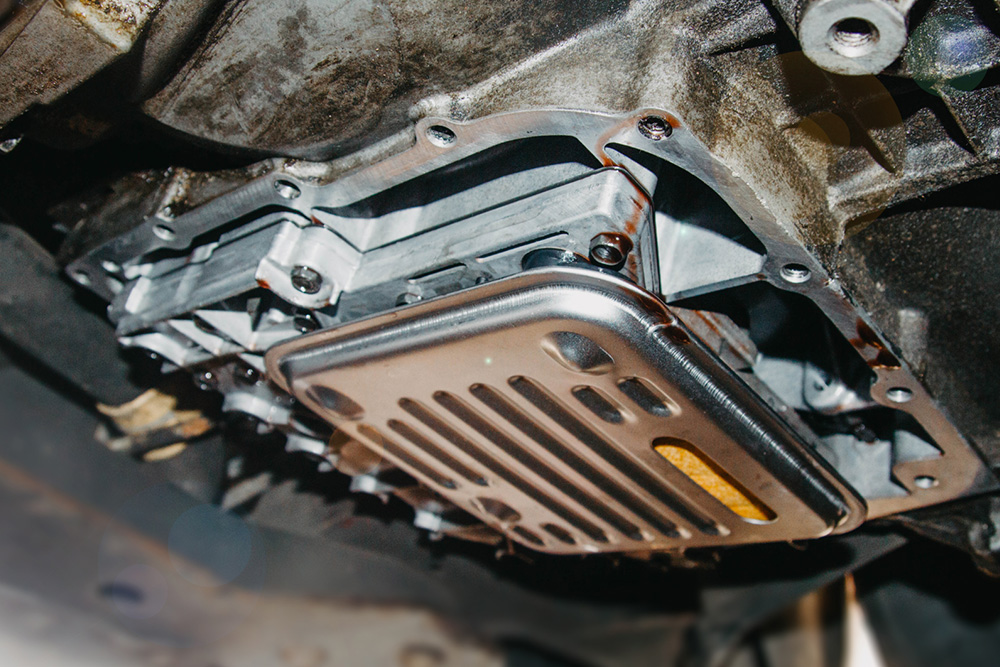
A lifting device or professional hoist is necessary to access the transmission drain and fill plugs.

Special filling adapters and measuring tools designed specifically for DSG service are required.

Temperature monitoring equipment ensures accurate fluid level measurements.

Temperature Requirements

DSG fluid level checks must be performed within a specific temperature window, typically 35-45°C.

The transmission must reach operating temperature through normal driving, not by idling.

Checking fluid levels outside the correct temperature range can result in overfilling or underfilling.

The diagnostic equipment continuously monitors fluid temperature during the checking process.

Multiple temperature sensors within the transmission ensure accurate readings across the entire unit.

Traditional Automatic Transmission Fluid Checks

Older Golf Models

Pre-2004 Golfs with traditional automatic transmissions feature a dipstick tube located near the battery.

The dipstick is typically marked with ‘HOT’ and ‘COLD’ level indicators.

Fluid should be checked after the transmission has reached normal operating temperature.

The vehicle must be parked on a level surface with the engine running.

The gear selector should be cycled through all positions before checking.

Checking Procedure

Begin by locating the transmission dipstick, which is often identified by a red or yellow handle.

With the engine running and warmed up, remove the dipstick and wipe it clean with a lint-free cloth.

Reinsert the dipstick fully, ensuring it seats properly in the tube.

Remove the dipstick again and observe both the fluid level and condition.

The fluid should be clear to light reddish-brown; dark or burnt-smelling fluid indicates degradation.

Manual Transmission Fluid Checks

Access Points

Manual transmission fluid checks require accessing the fill plug on the transmission housing.

Most Golf models have the fill plug located on the side of the transmission case, though exact locations vary by model year.

A 17mm or 19mm hex socket is typically required to remove the fill plug.

Some models may have multiple plugs, making it crucial to identify the correct fill point.

Access often requires lifting the vehicle and removing underbody panels for proper inspection.

Visual Inspection

When the fill plug is removed, the fluid should be visible at the bottom edge of the hole.

Fresh manual transmission fluid typically appears clear to light golden in colour.

Any metal particles or debris in the fluid can indicate potential transmission wear or damage.

The fluid’s viscosity should be smooth and consistent, not thick or gritty.

A slight amount of residual metal on the magnetic fill plug is normal, but excessive buildup indicates problems.

Signs of Low or Degraded Transmission Fluid

Performance Indicators

There are several indicators in how your car is performing which could point towards low or degraded transmission fluid.

Delayed engagement when shifting from park to drive typically suggests low fluid levels.

Hesitation or shuddering during gear changes often indicates fluid issues.

Unusual whining or grinding noises from the transmission may signal low fluid or contamination.

RPM surges or drops during steady acceleration can indicate transmission slip due to fluid problems.

Modern Golfs may display warning messages or enter limp mode when transmission fluid issues occur, which is a sure sign that your transmission needs to be inspected and diagnosed.

Visual and Physical Signs

Red or brown fluid spots on your parking space can indicate a transmission leak.

A sweet, burning smell often indicates overheating transmission fluid.

Fluid that appears dark brown or black suggests oxidation and will need to be replaced as soon as possible.

Foamy or bubbling fluid indicates water contamination or overfilling.

Transmission fluid should never have a gritty or metallic texture. If it does, an urgent service is required.

Need Help With Your Volkswagen Golf’s Transmission?

Understanding and maintaining your Golf’s transmission fluid is crucial for ensuring reliable operation and preventing expensive repairs. While some basic checks can be performed at home, modern transmissions often require specialised equipment and expertise for proper service.

At Dosdon, our technicians specialise in Volkswagen servicing and repair. We use the latest diagnostic equipment and factory-approved fluids to ensure your Golf’s transmission is properly maintained. Whether you need a DSG service, automatic transmission fluid check, or manual transmission inspection, contact our team today by calling 09 441 3635 for expert assistance.

Do Volkswagen Golfs Have a Timing Belt or Timing Chain?

If you own a Volkswagen Golf or are considering purchasing one, understanding whether your engine has a timing belt or chain is crucial for maintenance planning. Different Golf models and engine variants use either timing belts or chains, and knowing which one your vehicle has can help you anticipate maintenance costs and prevent potential engine damage.

Which Volkswagen Golfs Have Timing Belts Or Chains?

The answer to whether a Volkswagen Golf has a timing belt or chain depends entirely on the model year and engine type.

Golf Mk4 (1997-2004)

Most petrol engines in the Mk4 Golf used timing belts, including the popular 1.8T and 2.0L variants.

The 1.6L and 2.0L naturally aspirated petrol engines featured rubber timing belts that required replacement every 90,000 kilometres or five years, whichever came first.

The 1.8T turbocharged engine also used a timing belt, with similar replacement intervals recommended.

Diesel engines in the Mk4, including the 1.9 TDI, also utilised timing belts with recommended replacement intervals of 90,000 kilometres.

Golf Mk5 (2004-2009)

The Mk5 Golf saw a mix of timing belts and chains, depending on the engine variant.

The FSI and TFSI petrol engines predominantly used timing chains, which were designed to last the lifetime of the engine.

However, the 1.4L and 1.6L naturally aspirated petrol engines continued to use timing belts.

The 2.0L TDI diesel engines in this generation used timing belts, requiring replacement at similar intervals to the Mk4.

Golf Mk6 (2009-2013)

The Mk6 Golf continued the mixed approach of its predecessor.

Most TSI petrol engines in this generation featured timing chains, including the popular 1.4L and 2.0L variants.

The diesel engines, particularly the 2.0L TDI, continued to use timing belts with recommended replacement intervals.

Golf Mk7 (2013-2020)

The Mk7 saw a shift towards timing chains in most applications.

Nearly all TSI petrol engines in this generation used timing chains, designed to last the lifetime of the engine.

However, the diesel variants, including the 2.0L TDI, still utilised timing belts requiring regular replacement.

Golf Mk8 (2020-Present)

The current generation Golf predominantly uses timing chains across its petrol engine range.

Most modern TSI engines feature timing chains designed for the vehicle’s lifetime.

The diesel variants continue to use timing belts, maintaining the pattern from previous generations.

Critical Maintenance Considerations

Timing Belt Maintenance

For Golf models with timing belts, regular inspection and timely replacement are crucial.

In New Zealand’s climate, it’s especially important to adhere to manufacturer-recommended replacement intervals, as our varied weather conditions can affect belt wear.

Failing to replace a timing belt at the recommended interval can result in catastrophic engine damage if the belt fails.

The cost of timing belt replacement is significantly less than the potential engine repairs needed if the belt breaks during operation.

Timing Chain Maintenance

While timing chains are generally more durable than belts, they aren’t entirely maintenance-free.

Regular oil changes with the correct grade of oil are essential for timing chain longevity, as the chain relies on proper lubrication.

Some Golf models with timing chains may develop chain stretch over time, which can cause timing-related issues and trigger warning lights.

Need Help With Your Volkswagen Golf’s Timing System?

Understanding and maintaining your Volkswagen Golf’s timing system is crucial for long-term reliability and performance.

At Dosdon, our skilled technicians specialise in Volkswagen maintenance and repair, including timing belt and chain services. Whether you need a timing belt replacement or want to diagnose potential timing chain issues, contact our team today by calling 09 441 3635.