
Dodson Service

How to Read a BMW VIN Number

Understanding your BMW’s Vehicle Identification Number (VIN) is essential for accessing vital information about your car’s specifications, origin, and history. This guide explains how to decode a BMW VIN number, what each section means, and why this information is valuable for BMW owners.

How to Read a BMW VIN Number

A BMW VIN number consists of 17 alphanumeric characters that provide a wealth of details about your car. To read your BMW VIN number, follow these steps:

  1. Locate the VIN:
    • The VIN can typically be found on the dashboard, near the bottom of the windshield on the driver’s side.
    • It is also listed on the driver’s door frame, vehicle registration papers, or insurance documents.
  2. Break It Down: The VIN is divided into three sections:
    • World Manufacturer Identifier (WMI): The first three characters.
    • Vehicle Descriptor Section (VDS): Characters 4 to 9.
    • Vehicle Identifier Section (VIS): Characters 10 to 17.
  3. Use a VIN Decoder:
    • For precise details, you can use an online VIN decoder specifically for BMW vehicles. You can find these easily by searching “vin decoder” on Google or other search engines.

What Does My BMW VIN Number Mean?

The BMW VIN number is structured to convey specific information:

World Manufacturer Identifier (WMI) – Characters 1 to 3

The WMI indicates the manufacturer and the country where the BMW was produced:

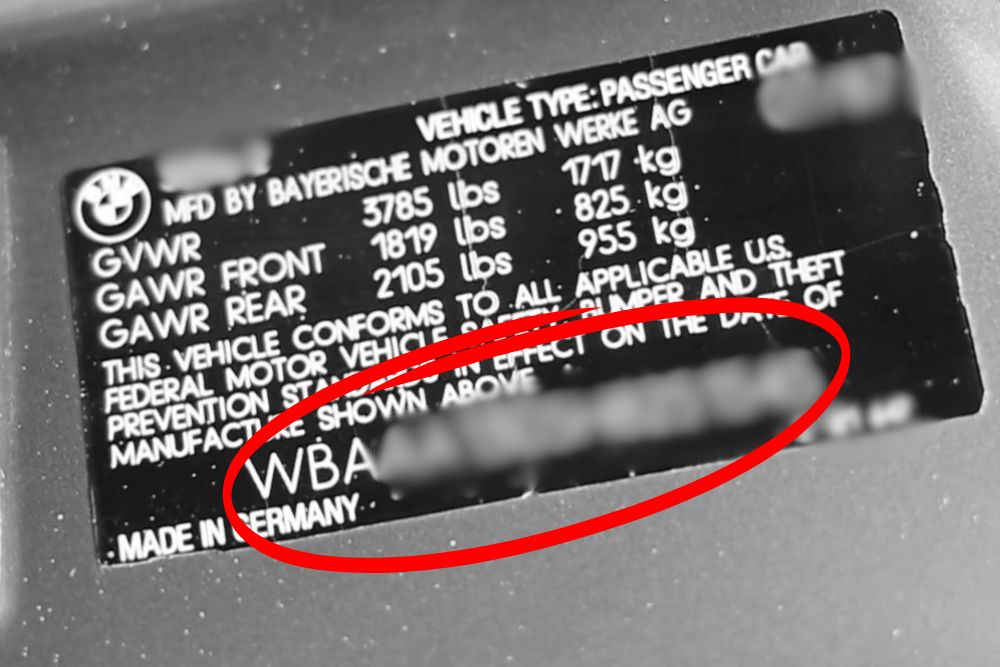
  • WBA: BMW vehicles made in Germany.
  • WBS: BMW M models made in Germany.
  • 5UX: BMW SUVs manufactured in the United States.

Vehicle Descriptor Section (VDS) – Characters 4 to 9

This section provides details about the car’s features and specifications, including:

  • Model: Identifies the model line, such as 3 Series, 5 Series, or X Series.
  • Body Style: Indicates whether the car is a sedan, coupe, SUV, or convertible.
  • Engine Type: Specifies the engine configuration, such as petrol or diesel.
  • Safety Features: Highlights features like airbags and seatbelt systems.

Vehicle Identifier Section (VIS) – Characters 10 to 17

The VIS contains information unique to your vehicle:

  • Model Year (Character 10): Identifies the year of manufacture (e.g., ‘A’ for 2010, ‘B’ for 2011, etc.).
  • Assembly Plant (Character 11): Specifies the factory where the car was assembled.
  • Serial Number (Characters 12 to 17): A unique identifier for your car.

Need Help Decoding Your BMW VIN Number?

As an independent BMW service workshop in Auckland, Dodson specialises in helping BMW owners understand their vehicle’s details. Whether you need assistance decoding your VIN, verifying your BMW’s history, or scheduling a service, our experienced team is here to help.

Contact Dodson today by calling 09 441 3635.
How Much Does It Cost to Replace a BMW Engine?

The cost to replace a BMW engine varies greatly, depending on factors like the model, age, and type of engine.

In this post, we’ll break down the average costs of replacing BMW engines across various models, helping you understand what to expect if your engine requires replacement.

Average Costs of BMW Engine Replacement

The cost of replacing a BMW engine can vary widely, from around $3,000 to upwards of $10,000 or more, depending on the model and type of engine. Here’s a closer look at the estimated costs across different BMW models, divided between older models (pre-2010) and newer ones.

Older BMW Models (Pre-2010)

For older BMW models, engine replacements tend to be slightly more affordable, as these engines are typically less complex and have fewer electronics. However, finding parts can sometimes be more challenging, especially for vintage or rare models. Here’s an estimate of the costs involved for some popular older BMW models:

  • BMW 3 Series (E46, E90): The 3 Series models from the late ‘90s to early 2000s are some of the most popular BMWs. A replacement engine for an E46 3 Series typically costs between $3,000 and $5,000, depending on the engine variant. The E90, which ran from 2005-2011, may cost slightly more, around $4,000 to $6,000 for an engine replacement.
  • BMW 5 Series (E39, E60): For the E39 model, running from 1995 to 2003, and the E60 model, running from 2003 to 2010, engine replacement costs typically range from $4,500 to $7,000, depending on engine size and type.
  • BMW 7 Series (E38, E65): The 7 Series models from the late ‘90s and early 2000s are luxury sedans with larger, more powerful engines. For an E38 (1994-2001) or E65 (2001-2008), you can expect engine replacement costs to range from $6,000 to $8,500.
  • BMW X5 (E53): BMW’s first SUV, the E53 X5 (1999-2006), typically has engine replacement costs ranging between $4,500 and $7,500. The price can vary based on whether it’s the inline-six or V8 variant.

These costs can vary significantly based on factors like the engine’s condition (new, rebuilt, or used) and whether the replacement is done at a BMW dealership or an independent repair shop.

Newer BMW Models (Post-2010)

Newer BMW models often have more complex engine systems, including advanced electronics and turbochargers. As a result, engine replacements for these models tend to be more expensive.

  • BMW 3 Series (F30, G20): The F30 generation (2012-2019) and the latest G20 (2019-present) both feature turbocharged engines that can be costly to replace. For a new or rebuilt engine, the cost can range from $6,000 to $9,000.
  • BMW 5 Series (F10, G30): The 5 Series models from 2010 onwards include turbocharged four-, six-, and eight-cylinder engines. Replacing these engines can cost between $7,000 and $10,000.
  • BMW 7 Series (F01, G11): The 7 Series continues to be one of BMW’s luxury flagships, equipped with powerful engines. Engine replacement for the F01 (2008-2015) or G11 (2015-present) may cost anywhere from $8,000 to $12,000, depending on the engine variant.
  • BMW X5 (F15, G05): The X5’s F15 model (2013-2018) and the latest G05 (2019-present) include options for twin-turbocharged V8 engines, making engine replacement more expensive. Expect to pay around $8,000 to $11,000 for a new or rebuilt engine.

For newer models, opting for a used or remanufactured engine can help lower costs, but keep in mind that installing a used engine may come with additional risks and a shorter warranty period.

Factors Affecting the Cost of a BMW Engine Replacement

Several factors contribute to the overall cost of replacing a BMW engine, including:

  1. Engine Type: BMW offers various engine types, from four-cylinder turbos to inline-six, V8, V10 and even V12 engines. Generally, the more cylinders or turbochargers an engine has, the more expensive it is to replace.
  2. Parts and Labor: Labour costs can add significantly to the overall expense. Replacing a BMW engine requires specialised skills, and the complexity of the job often demands several hours of work.
  3. Condition of Replacement Engine: BMW engines can be purchased as brand new, rebuilt, or used. A new engine is the most expensive option but often comes with a full warranty. However, a brand new engine may not be available for all models, especially older ones. Rebuilt engines are more affordable and have some warranty coverage, while used engines are the cheapest but carry the highest risk and may lack warranty.
  4. Model Year: Older models generally have less complicated engines, making them more affordable to replace. Newer models often have advanced technology and more sensors, which can increase replacement costs.
  5. Where You Get the Replacement Done: Opting to replace the engine at a BMW dealership will likely cost more than using an independent BMW specialist.

Additional Costs to Consider

Aside from the engine replacement itself, there may be additional costs involved, including:

  • Diagnostics and Testing: Before replacement, diagnostics are essential to confirm that the engine is the only component needing attention.
  • Additional Repairs: If there is damage to other components, such as the transmission or cooling system, those may also need repairs. It’s common for other parts, like hoses, belts, and seals, to be replaced alongside the engine, adding a few hundred dollars to the final bill.
  • Towing: If your BMW is not drivable, you’ll need to factor in towing costs, which vary depending on distance but generally range from $50 to $200.
  • Certification: If you choose a larger or more powerful engine, you’ll need LVVTA certification, which adds approximately $700 to your expenses and additional time to go through the process.

Need Your BMW’s Engine Replaced?

We offer BMW servicing and repairs in Auckland and are able to replace your BMWs engine if you are having problems. Speak to us today by calling 09 441 3635 or emailing service@dodsonmotorsport.com.

What Kind of Engine Oil Should You Use In Your Volkswagen?

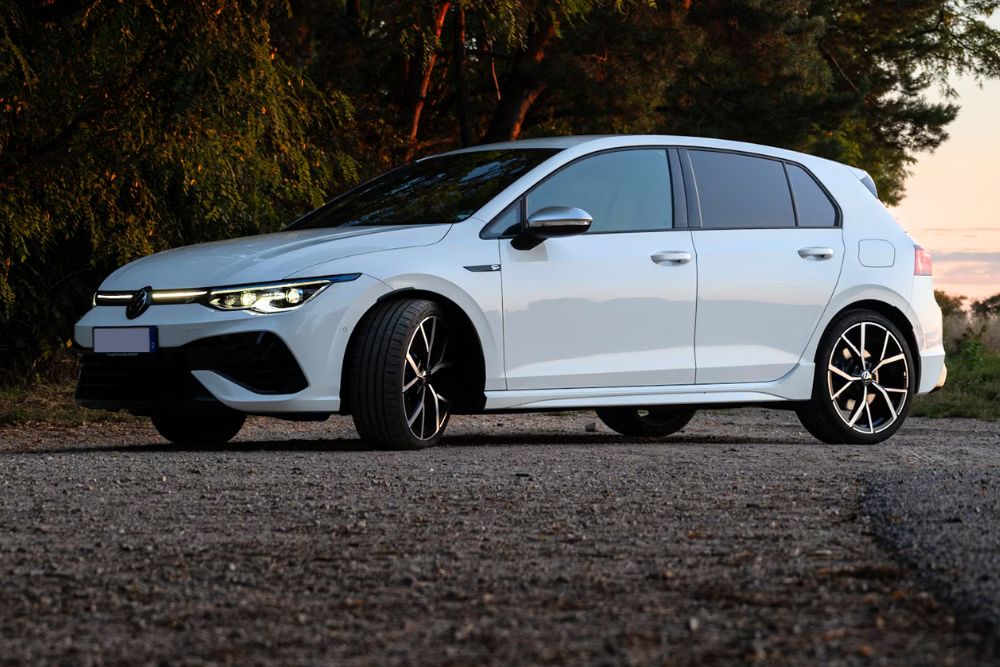
White Volkswagen Golf Mk8

Looking to change the oil in your Volkswagen?

In this blog, we are going to cover the recommended oils for different Volkswagen models so that you can pick the right one for your car.

Recommended Engine Oils for Modern Volkswagen Models

Depending on your Volkswagen’s make, model, and year, you may need a different type of oil. Here are some recommended options based on common modern Volkswagen models:

1. Volkswagen Golf, Golf GTI & Jetta

Recommended Oil: 5W-30 for turbocharged engines; 0W-20 for non-turbocharged models, meeting VW 502.00 or VW 508.00 specifications.

Volkswagen Passat

Recommended Oil: 5W-40 or 5W-30, meeting VW 502.00/505.00 specifications.

Volkswagen Tiguan

Recommended Oil: 5W-30, meeting VW 504.00/507.00 specifications.

Volkswagen Touareg

Recommended Oil: 5W-30 or 5W-40, meeting VW 502.00/505.00 specifications.

Oil Recommendations For Older Watercooled Volkswagens

For older water-cooled Volkswagen models, such as those from the 1970s to early 1990s (like the Volkswagen Golf & Jetta Mk1-MK4), the recommended oils often differ from modern models because of their specific engine requirements. Here are some general recommendations to ensure optimal performance and protection for these classic water-cooled engines:

1. Viscosity Recommendations

  • 10W-40 or 15W-40: These viscosity grades are generally recommended for older Volkswagen models, especially in moderate climates. They offer balanced protection, providing sufficient thickness to lubricate older engines, which may have slightly looser tolerances than newer models.
  • 20W-50: This is suitable for warmer climates or high-mileage engines that may experience higher oil consumption or have slightly worn engine components. The higher viscosity can help reduce oil leaks and maintain stable oil pressure.

2. Mineral Oil vs. Synthetic Oil

  • Mineral Oil: Older Volkswagen engines were originally designed for mineral oil, so if your vehicle is in mostly original condition, sticking to a high-quality mineral oil (such as 10W-40 or 15W-40) can be a good choice.
  • Synthetic Blend: If you’re looking for improved performance and protection, a synthetic blend is often suitable for older engines, providing better heat resistance and protection against deposits.

Understanding VW Engine Oil Specifications

Volkswagen has developed specific oil standards to ensure optimal engine performance. Here are some common VW specifications and what they mean:

  1. VW 502.00 / 505.00: Designed for gasoline engines, this specification is recommended for older models and provides protection under a variety of driving conditions.
  2. VW 504.00 / 507.00: Common in newer Volkswagen models, these specifications are optimised for extended oil change intervals and offer low sulfur and phosphorus levels, making them suitable for turbocharged engines and helping to protect the vehicle’s emissions system.
  3. VW 508.00 / 509.00: These specifications are designed for the latest Volkswagen engines, focusing on fuel efficiency and emissions control. Oils meeting this standard are usually low-viscosity oils like 0W-20.

Why Synthetic Oil Is Preferred for Volkswagen

Volkswagen engines typically require synthetic oil due to its superior performance benefits. Synthetic oil offers:

  • Extended Oil Change Intervals: Synthetic oils don’t break down as quickly as conventional oils, allowing for longer intervals between oil changes, which aligns with Volkswagen’s recommended maintenance schedule.
  • Improved Fuel Efficiency: Synthetic oil reduces engine friction, which can improve fuel economy slightly compared to conventional oil.
  • Better Performance in Extreme Temperatures: Synthetic oils remain stable in both high and low temperatures, making them ideal for Volkswagen engines that may face a variety of driving conditions.

Importance of Viscosity Grades

The numbers on the oil label, such as 0W-30 or 5W-40, indicate how the oil behaves at different temperatures.

For example, a lower viscosity oil like 0W-20 flows more easily in colder conditions, improving performance during chilly starts. Conversely, a higher viscosity oil such as 5W-40 offers better protection at higher temperatures.

Volkswagen recommends specific viscosity grades for each model to ensure optimal engine performance and longevity. Using an incorrect viscosity can lead to increased wear or even engine damage.

Additionally, consider your local climate when selecting oil—5W-40 works well up to 50°C, whereas 0W-20 is better suited for cooler conditions.

Effects of Incorrect Oil Use

Using the wrong type of engine oil in your Volkswagen can lead to serious problems.

For starters, if you don’t use the recommended oil grades, you might invalidate your vehicle’s warranty.

The incorrect oil viscosity results in inadequate lubrication, which increases friction and wear, potentially damaging your engine. This could cause parts such as camshafts and bearings to wear out early, leading to costly repairs.

Additionally, using unsuitable oil can reduce your fuel efficiency, affecting your spending each time you refuel. Low-quality oil often causes sludge to build up, which can choke your engine’s performance.

This not only reduces efficiency but could also cause your engine to overheat, posing a risk of severe damage.

It’s essential to choose the correct oil to maintain the health of your VW.

Recommended Oil Change Intervals

For most models, it’s recommended to change the oil every 16,000 kilometres or once a year, whichever comes first. If you’re using synthetic oil, this 16,000-kilometre interval is typically adequate.

However, if conventional oil is used in your engine, consider changing it every 8,000 kilometres.

Always monitor your oil level and quality, and adjust your oil change frequency based on your driving habits and the environment. Regular changes prevent sludge accumulation, protecting your engine from wear and maintaining its performance.

Need to Change Your VWs Oil?

As VW service specialists in Auckland, we offer servicing for all modern Volkswagen models. Speak to us today to get your VW serviced by calling 09 441 3635 or emailing service@dodsonmotorsport.com.

How to Check Transmission Oil on a BMW

Checking BMW Transmission Oil

Need to check the transmission oil in your BMW?

Depending on which BMW you have, there are different procedures you need to follow.

In this blog, we will cover how to check the transmission oil of models both with and without a dipstick for the transmission.

How to Check BMW Transmission Fluid Levels

Here are the procedures you need to follow for checking the transmission fluid level on your BMW.

Regardless of which transmission you have, you will want to warm up the fluid, ideally by driving the car for a short trip.

For Transmissions With a Dipstick (Older Models)

  1. Find the transmission fluid dipstick, which is usually located near the oil dipstick under the bonnet.
  2. Remove it and check the fluid—it should be clear with a light pink hue. If it appears dark or has a burnt smell, it may be time to change it.
  3. Clean the dipstick, reinsert it completely, then remove it again to check the level. If it’s below the Full mark, use a funnel to add the correct type of transmission fluid.
  4. Regularly checking this each month can prevent future problems.

Sealed Transmission Procedure

Sealed transmissions in BMWs need a particular method for checking as they don’t have a dipstick.

You must go to a professional who can access the fluid through service ports. Only qualified technicians should manage this task to prevent damage to your system.

Although these transmissions are sealed, they still need regular maintenance. If you hear unusual sounds, experience hesitation in changing gears, or face delays when accelerating, these might indicate that the fluid levels or quality are affected.

It’s advisable to have these checks carried out during regular service visits. This ensures your transmission works well and prolongs its life, keeping your BMW in excellent condition without unnecessary complications.

Manual Transmission

Manual transmissions typically do not have any way to check the fluid. The only way to check the fluid is to drain and refill the gearbox.

How Often Should You Check Your Transmission Fluid

Under normal conditions you shouldn’t need to regularly check your transmission fluid.

The only reason to do so would be if you notice leaking and need to make sure you have enough fluid in the transmission.

BMW transmissions have “lifetime” fluid, though this should be changed around the 100,000kms mark.

Need Your BMW’s Transmission Fluid Changed?

As BMW service specialists in Auckland, we can carry out all transmission servicing on your BMW.

To get your fluid changed, speak to us today by calling 09 441 3635 or emailing service@dodsonmotorsport.com.

How to the Check Oil Level On a BMW

BMW Engine

When maintaining your BMW, it’s essential to check the oil level regularly to ensure your engine operates efficiently.

However, it might not be as simple as it may seem, since newer BMWs do not have a dipstick.

In this blog, we will explain the process of checking the oil on your BMW for both models with and without a dipstick.

How to Check and Top Up Oil On BMWs

On BMWs With a Dipstick

Here is the process for checking the oil on your BMW which has a dipstick:

  • Park on Level Ground: Make sure your vehicle is on a flat surface for a correct reading.
  • Use the Dipstick: After letting the engine cool, remove the dipstick (usually a red or yellow handle). Clean it off, put it back in, then take it out again to see the oil level.
  • Add Oil if Needed: If the level is low, check your owner’s manual for the recommended oil type. Use a funnel to slowly add oil, checking regularly so you don’t put in too much.
  • Recheck and Replace Cap: After adding oil, check the level again and ensure the filler cap is tightly secured.

On BMWs Without a Dipstick

For BMWs without a dipstick, you will need to check the oil level through the iDrive system. Here’s how you do this:

  • Turn on the ignition (without starting the engine).
  • Go to the iDrive system (BMW’s infotainment system).
  • Navigate to “Vehicle Info” or “My Vehicle,” then select “Vehicle Status.”
  • Look for “Engine Oil Level” and select it.
  • The system will measure the oil level electronically and display the result.
  • If you need to top it up, do so and then repeat this process.

How Often Should You Check the Oil?

Your BMW’s performance and longevity depend on regular oil checks, ideally done at least once a month.

Before any long journeys, it’s essential to check your oil to avoid unexpected engine problems. If you’re driving an older model, you might need to check your oil more frequently, as these cars can lose or burn oil quicker.

Regular monitoring of your oil level not only keeps your engine running smoothly but also ensures you’re on track for necessary oil changes, typically every 10,000-15,000 kilometres.

Need Your BMW’s Oil Changed?

We specialise in servicing BMWs in Auckland. If you need your oil changed, speak to us today by calling 09 441 3635 or emailing service@dodsonmotorsport.com.

Can You Use 91 Octane Petrol In Your Volkswagen Golf?

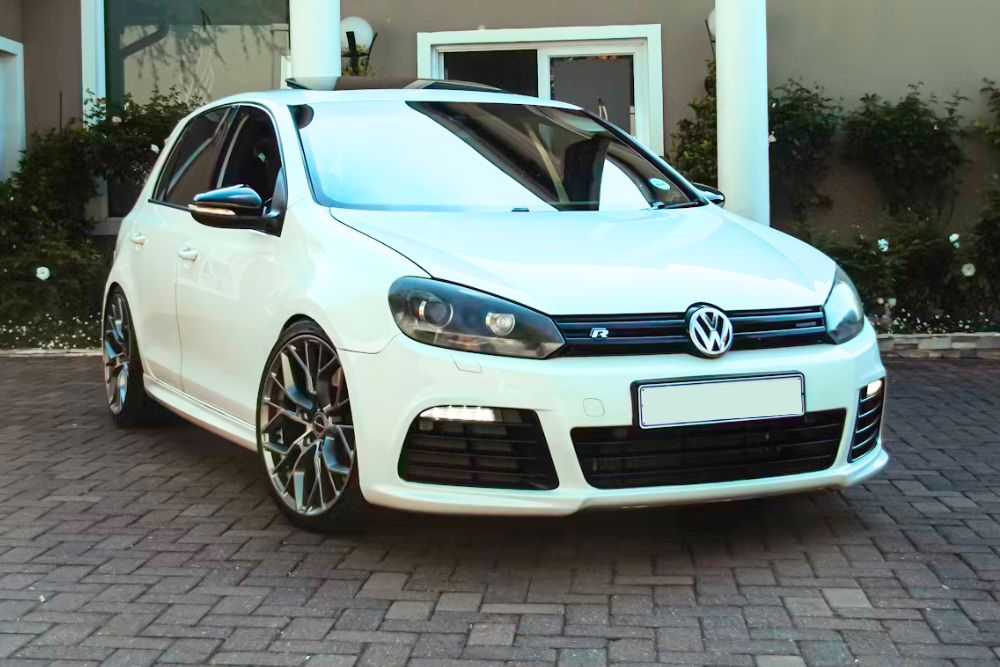
White Volkswagen Golf R

You might wonder if you can save money at the petrol station by choosing 91 octane petrol for your Volkswagen Golf. Although it’s cheaper, it’s important to consider how it might affect your car’s overall health and performance.

95 RON or higher is recommended for Volkswagen Golfs, and using a lower octane than recommended could harm your Golf’s engine efficiency and possibly lead to expensive problems later.

But are these risks really significant, and are there circumstances where a lower octane might be acceptable?

Fuel Type Recommendations

It is recommended to use at least 95 RON octane fuel in your Volkswagen Golf for the best performance and to keep the engine healthy.

Using 98 RON could improve your driving experience and make your car more efficient, so this is the ideal fuel you’d want to use.

If you use lower octane fuels, such as 91 RON, you may face engine knocking and lower performance.

This is especially important for turbocharged engines like in many Golfs, where higher octane fuels are essential to maintain the vehicle’s power and fuel economy.

You have to also keep in mind that these cars were tuned by the factory to run 95 RON or higher, and are not designed to run on 91.

Using 91 RON regularly can actually cause long-term damage to your engine. The money you save on cheaper fuel might be spent on increased maintenance costs and possibly costly repairs later.

You could also see a drop in fuel economy, which means you’ll end up refuelling more often than if you’d used the recommended 95 or 98 RON.

Although 95 RON is cheaper than 98 RON, the small price difference is worth paying for the better engine performance and longer life of your car.

Always consider the cost against the potential risks and benefits—your Golf deserves that careful consideration.

How 91 RON Fuel Can Affect Your Motor

When you fill your Volkswagen Golf with 91 octane petrol, there’s a greater chance of engine knocking.

This type of petrol doesn’t suit the compression requirements of your Golf’s engine, resulting in reduced performance and risk of damage.

You may experience slower acceleration and a decline in your car’s responsiveness, as well as an increase in fuel usage.

Octane Impact on Turbo

Using higher octane fuel, such as 95 RON or above, improves the performance of your Volkswagen Golf, especially on turbocharged models like the GTI. It reduces the risk of engine knocking and increases efficiency. This type of fuel matches the compression requirements of your Golf’s engine, allowing it to perform more effectively and last longer.

The turbocharger benefits from higher octane fuel because it can handle higher pressures without the risk of early combustion, known as engine knocking, “pinging” or detonation, which could damage the engine, especially over the long term.

Selecting the correct octane won’t only enhance the immediate response of your engine but also help in maintaining the health of your vehicle over time.

Risk of Engine Knocking

Using 91 octane petrol in your Volkswagen Golf, especially if it has a turbocharger, often results in engine knocking because the fuel ignites too soon in the cylinders. This knocking indicates that your fuel isn’t burning properly, which can significantly affect your car’s performance and its long-term condition.

Driving under heavy conditions with 91 RON increases the risk of this harmful occurrence. When you drive your Golf hard, like at WOT or up hills, using a lower octane can make the fuel ignite too early, causing a pinging or knocking sound. This noise isn’t just irritating—it signals that your engine is in trouble.

Therefore, it’s important to use 95 RON or higher to keep your car running well and avoid expensive repairs in the future.

Is Using Higher Quality Fuel That Much More Expensive?

Using 91 octane petrol in your Volkswagen Golf will only save you about $4 per tank compared to 95 octane.

Considering the small difference, it is not really worth the risk of damaging your motor. Even if you fill up every 2 weeks, you would only save $96 per year.

You should also take into account the fact that your car may well experience a decrease in fuel efficiency running 91, meaning you’ll be filling up more often, and might actually end up costing more in the long run!

Conclusion

In conclusion, although you might be tempted to use 91 octane petrol in your Volkswagen Golf to save money, it’s not a wise choice.

Not only will it not save you much at all in the real world, but using petrol with a lower octane than recommended can damage your engine and lead to expensive repairs.

It’s best to use at least 95 RON petrol to keep your Golf in good condition, ensure it runs efficiently, and avoid high maintenance costs.

If you need your Volkswagen Golf serviced, be sure to get in touch with us today by calling 09 441 3635 or emailing service@dodsonmotorsport.com.

Are BMWs Expensive To Repair In New Zealand?

This question often pops up for car owners considering purchasing a BMW or those who already own one.

In this article, we will explore the factors that contribute to the cost of BMW repairs in New Zealand. From the availability of parts to labour costs, we will delve into the nitty-gritty details to help you make an informed decision if you are considering buying a BMW.

Additionally, we will touch upon the reliability of BMWs in New Zealand and highlight common repair issues that owners may face. But don’t worry, we will also provide some useful tips on how to minimize BMW repair costs.

So, if you’re curious about the expense of maintaining a BMW in New Zealand, keep reading to find out more.

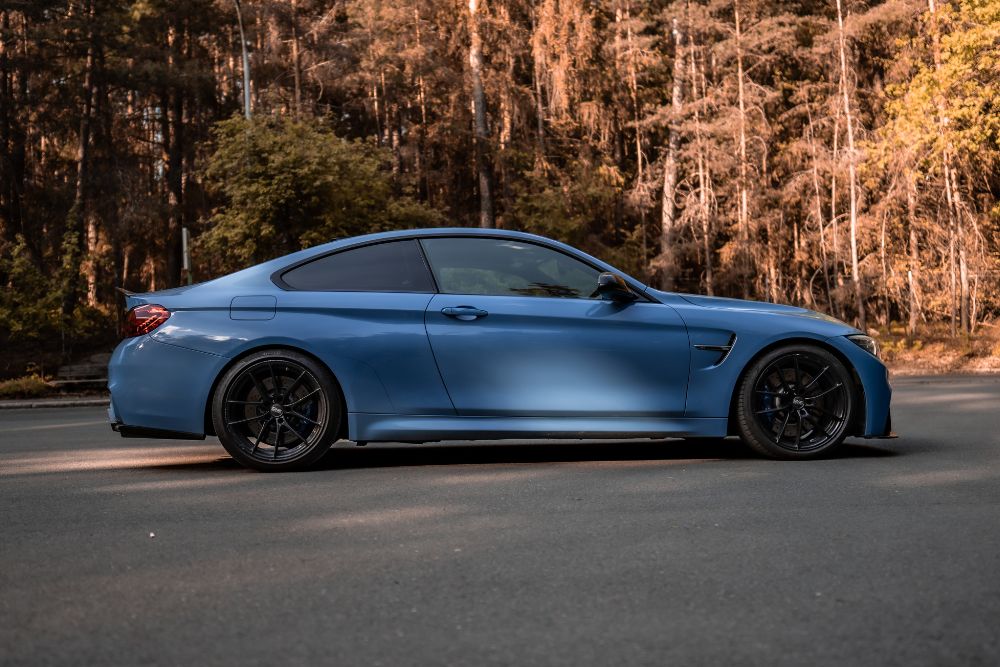
Blue BMW 4 Series

Factors That Can Affect the Cost of BMW Repairs

Availability of BMW Parts in New Zealand

Finding parts for your BMW in New Zealand these days is typically not a problem, especially for newer models. While BMWs are a luxury vehicle and may not be as common as more economical cars, meaning parts are not as common, it is typically not an issue to get a part when you need it.

There are several reputable shops and online platforms that specialize in BMW parts and can provide you with the necessary components for repairs. This is something that we a Dodson can help you with, along with service and repair of your BMW.

Labour Costs for BMW Repairs

Due to the specialized knowledge and expertise required to work on BMW vehicles, labour costs for fixing BMWs can be a bit higher compared to cheaper, more common cars.

The complexity of BMW engines and the advanced technology incorporated in these vehicles contribute to the higher labour costs, as more work and more specialised equipment is typically required to do the job correctly.

However, it is worth noting that investing in skilled technicians and high-quality repairs will help ensure the longevity and performance of your BMW in the long run.

Reliability of BMWs in New Zealand

Owning a BMW comes with the perk of reliable performance. BMWs are known for their exceptional build quality and engineering, which translates to a reliable driving experience in New Zealand. The brand has a strong reputation for producing cars that are built to last and hold their value well.

BMWs are equipped with advanced technology and safety features, ensuring a smooth and dependable ride on New Zealand roads.

However, it is important to note that like any other car, BMWs may require repairs and maintenance over time. Regular servicing and timely repairs can help prevent major issues and keep repair costs manageable.

Common Repair Issues for BMWs

Black BMW 3 Series

One aspect that sets BMWs apart from other vehicles is their reputation for exceptional engineering and build quality, but it’s important to be aware of common repair issues that can arise.

Electrical Systems

One common repair issue for BMWs in New Zealand is electrical problems. This can include issues with the battery, wiring system or other electrical components, which can lead to various electrical malfunctions.

Cooling Issues

Another common issue is with the cooling system. BMWs tend to have a lot of plastic parts in the cooling system, leading to issues such as coolant leaks or radiator problems.

Suspension Wear

Additionally, BMWs tend to have complex suspension designs which can result in problems with their suspension system, particularly with the control arms and bushings, which can lead to a rougher ride and decreased handling performance.

Tips for Minimizing BMW Repair Costs

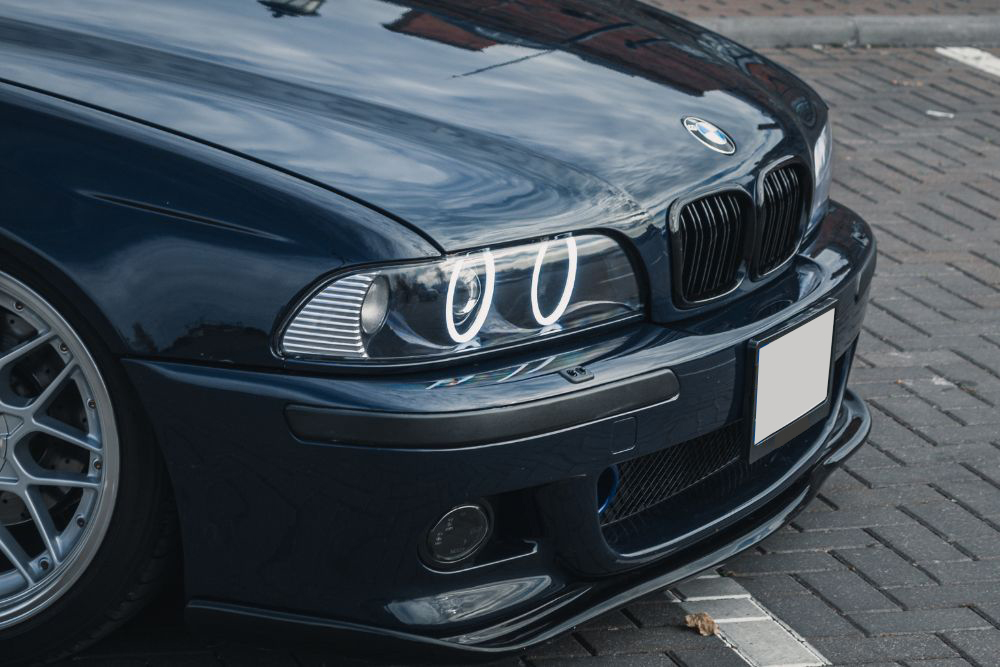
BMW E39 5 series

To save on BMW maintenance expenses, it is crucial to follow a few smart strategies that can help keep repair costs in check.

The number one thing that will keep repair costs down is staying on top of maintenance tasks such as oil changes, tire rotations, and regular inspections. By doing so, you can catch potential issues early on and prevent them from escalating into more expensive repairs.

Not skimping out on servicing is also a big factor. Many people try to use cheaper oils or parts to try and save money, but this can cause serious issues. For example, many BMWs are designed to use a specific type of oil, and using the wrong oil can cause catastrophic damage to the motor.

Preventative maintenance also goes a long way, particular with the known failure points with these cars, such as the cooling systems. If you replace parts early before there is an issue, you will not only save yourself the headache of a part failing at an inconvenient time, but it will also prevent more serious damage from occurring (such as overheating).

Need to Get Your BMW Repaired?

We at Dodson Motorsport specialise in BMW servicing and repair in Auckland. If you need to do a service, preventative maintenance or repair a problem that has come up, we can help! Call us today by clicking the button below and we will get your BMW sorted!

5 Most Common Golf Gti Dsg Gearbox Problems And How To Fix Them

If you’re a Golf GTI owner, you may have encountered issues with rough shifting, sudden jerks, delayed gear engagement, gear slippage, overheating, or fluid leaks with your DSG transmission. Don’t worry, we’ve got you covered!

In this article, we’ll discuss the causes behind these problems and provide you with solutions to get your gearbox back in top shape. Whether you’re a DIY enthusiast or want us to service your DSG transmission, our troubleshooting tips and repair solutions will help you to diagnose your problem and get your car running right again.

So, here are the most common DSG transmission problems and what to do about them.

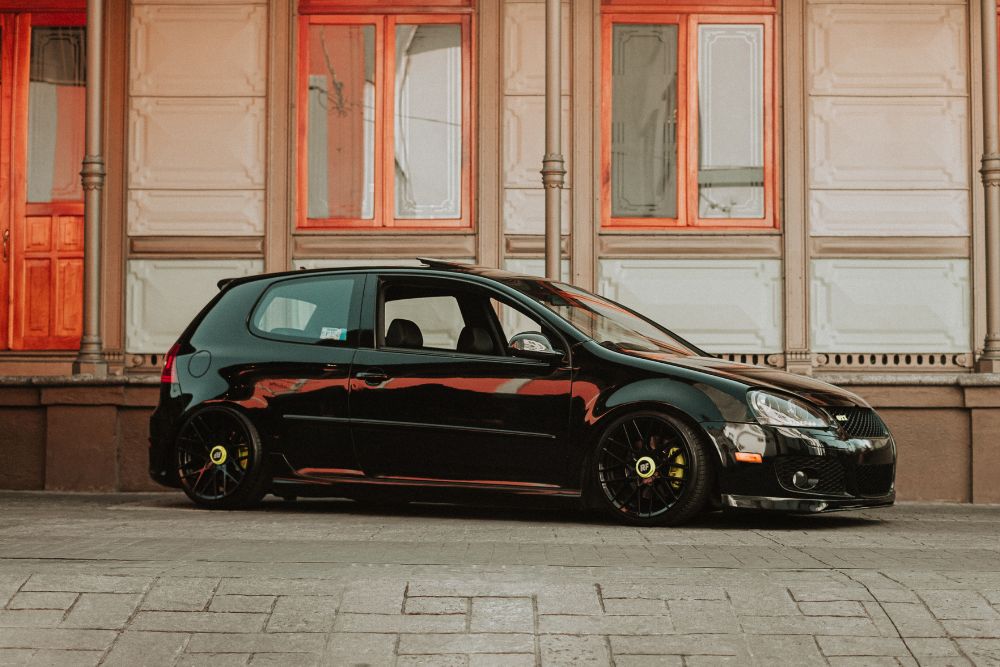
Black MK5 Golf GTI

Rough Shifting

There are a few potential causes for rough shifting in a DSG gearbox.

One common cause is low transmission fluid levels, which can be easily fixed by adding more fluid.

Another possible cause is a faulty transmission sensor, which, if faulty, will require replacement.

Additionally, rough shifting can be caused by a worn clutch or a dirty transmission filter. In these cases, the clutch or filter will probably need to be replaced.

If you are experiencing rough shifting, itis important to address it quickly to avoid serious damage to the gearbox.

Sudden Jerks

Sudden jerks during gear shifts are typically caused by one of the following issues:

  • malfunctioning transmission control module (mechatronic)
  • worn-out clutch packs
  • faulty solenoid valve

Firstly, you should check the transmission control module for any error codes and reset it if necessary.

Additionally, inspecting the clutch packs for wear and tear and replacing them if needed can help to resolve this issue.

Another troubleshooting tip is to clean or replace the solenoid valve, as a malfunctioning valve can disrupt the smooth operation of the gearbox.

Regular maintenance, such as fluid flushes and filter replacements, can also prevent sudden jerks and ensure the longevity of your DSG gearbox.

Delayed Gear Engagement

Delayed gear engagement can occur when the transmission fluid becomes dirty or when the filter gets clogged, causing a delay in the gear shifting process.

To resolve this problem, it is recommended to follow the manufacturer’s maintenance schedule and have the transmission fluid flushed and the filter replaced at the recommended intervals.

Additionally, using a high-quality transmission fluid that meets the manufacturer’s specifications can also help improve gear engagement.

If the issue persists, you will need to get the transmission checked out by a specialist so they can diagnose the cause of the problem.

The best way to prevent the issue of delayed gear engagement in the DSG gearbox is by ensuring regular maintenance such as fluid flushes and filter replacements.

Gear Slippage

One of the main causes of gear slippage in the DSG gearbox is worn or damaged clutch plates. Over time, the clutch plates can become worn or warped, causing them to slip and not engage properly.

Another possible cause is low transmission fluid levels, which can result in insufficient pressure for the clutch plates to engage correctly.

To fix gear slippage issues, you will need to either top up the fluid to the proper level, or  replace the worn or damaged clutch plates if that is the issue.

Regular maintenance and servicing of the DSG gearbox can also help prevent gear slippage problems in the future.

Overheating

Overheating can cause catastrophic failure for the DSG transmission, so if you see the DSG Too Hot light come on, you should stop driving immediately.

Typically, DSG overheating can occur due to low transmission fluid no keeping the internals cool and lubricated enough, or outside circumstances such as driving conditions or extreme weather. It is also possible that there is an issue with the gearbox’s cooling system.

If the issue persists despite addressing the above points, make sure you get the car checked out as soon as you can to prevent serious damage to your transmission.

Having Issues With Your DSG Gearbox?

If you are having issues with your DSG gearbox, we can help.

As transmission specialists, we are able to service, diagnose and repair any issue you may have with your DSG.

Speak to us today by clicking the button below to call us!

Frequently Asked Questions About Golf GTI DSG Problems

Can I continue driving my Golf GTI with a rough shifting problem or should I get it fixed immediately?

It is not recommended to continue driving with a rough shifting problem. It is best to get it fixed immediately to prevent further damage and ensure the safety of your vehicle.

Are there any common signs or indicators that my Golf GTI DSG gearbox is experiencing gear slippage?

Yes, common signs of gear slippage include:

  • Delayed engagement
  • High-pitched whining noises
  • RPM fluctuations
  • Loss of power.

How frequently should I check the fluid levels in my Golf GTI DSG gearbox to prevent overheating and fluid leaks?

Typically, you do not need to check the fluid levels if the gearbox doesn’t have any fluid leaks. However, if you notice either a fluid leak or any of the symptoms mentioned in this post, you should get it checked out immediately.

A Special Nissan GTR Gets Serviced a Dodson

Recently we had a visit from a rather special Nissan GTR that came in for our comprehensive Nissan GTR service.

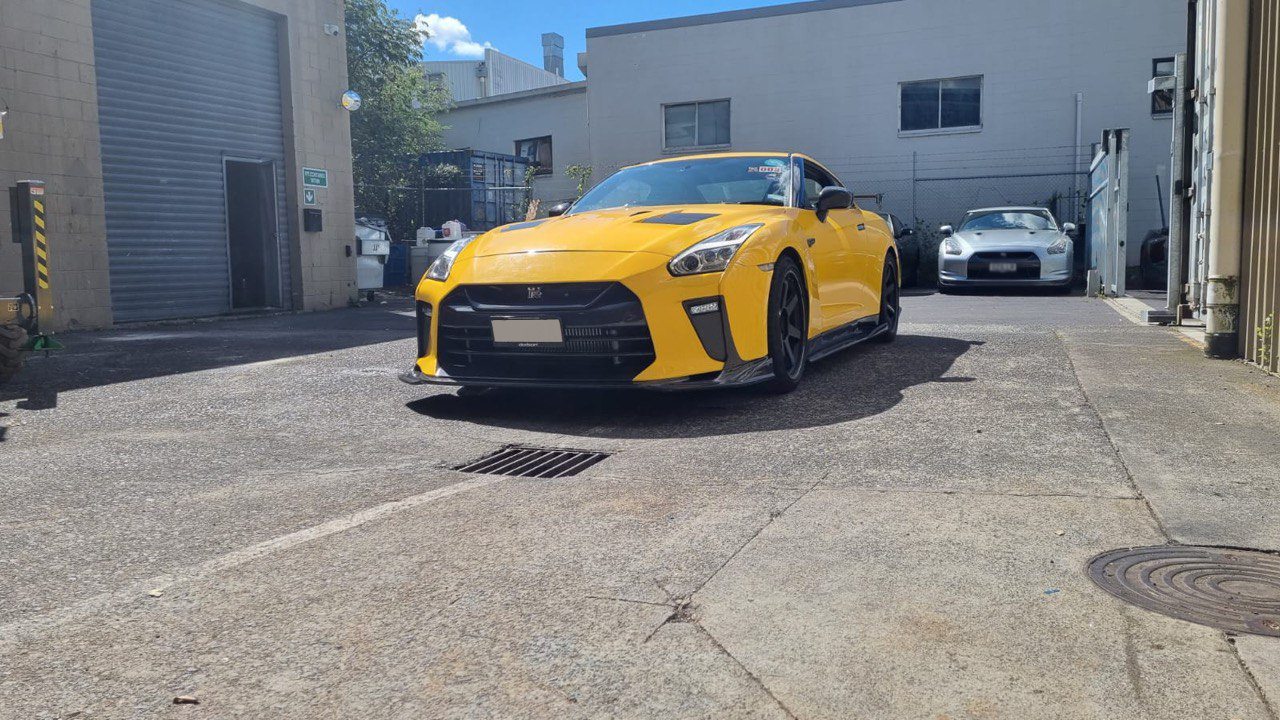
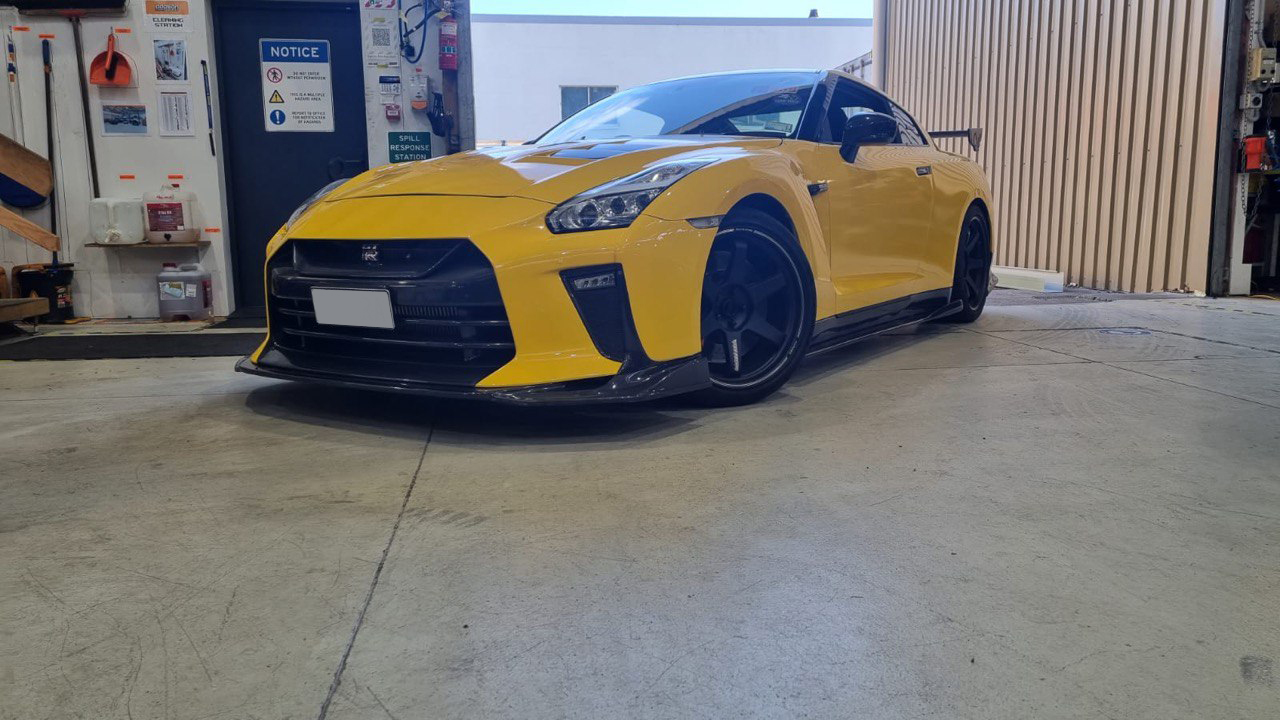
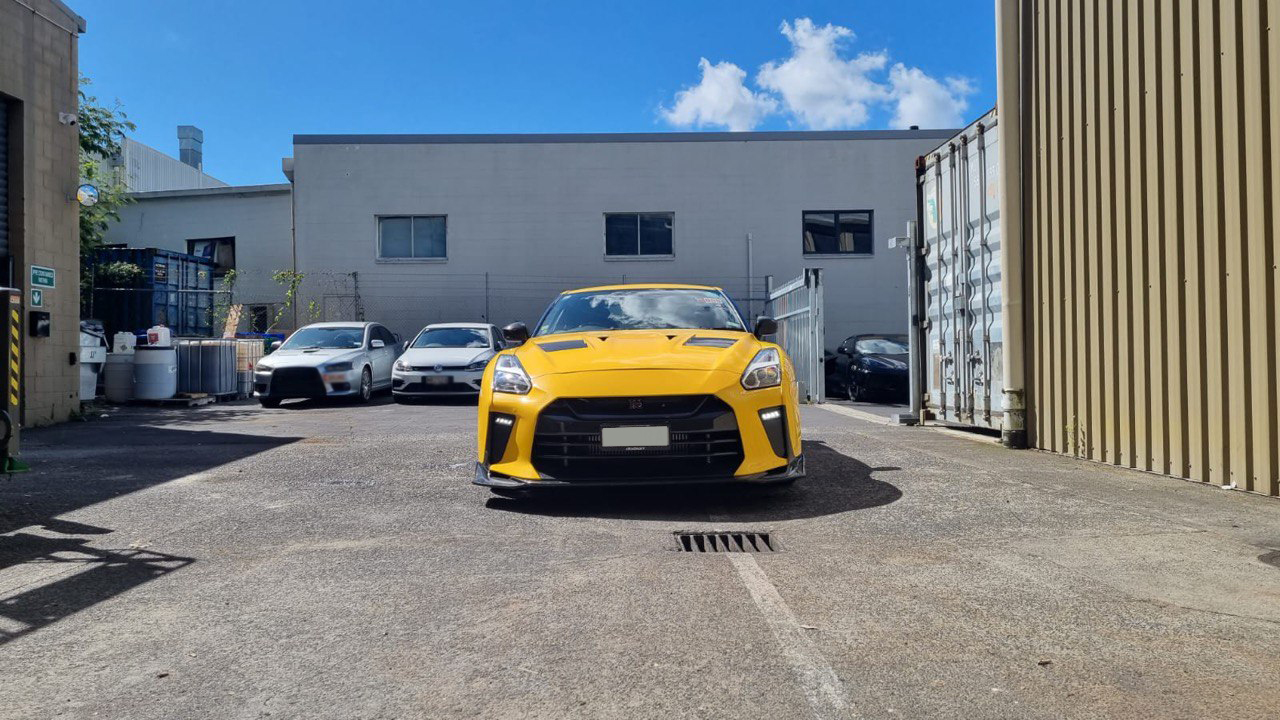
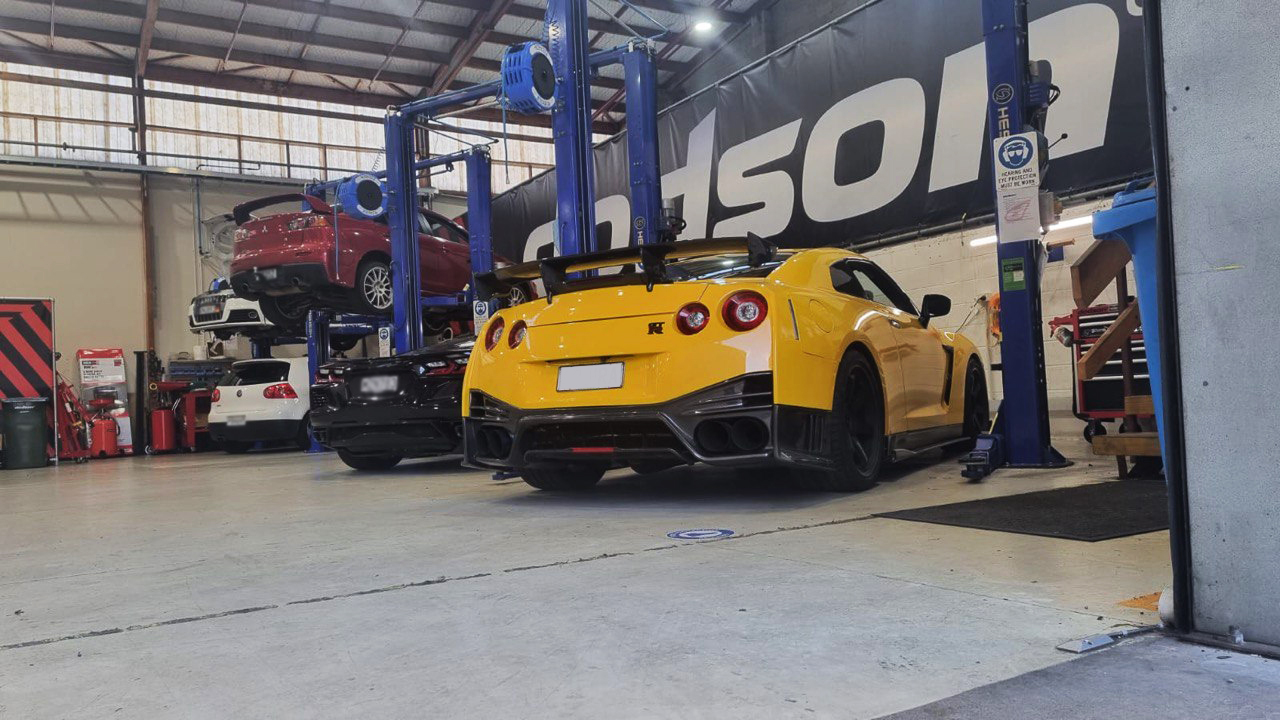
Yellow Nissan GTR

In preparation to attend a couple of upcoming events including Nationals and Clubfest, we made sure that everything was serviced and ready to go so that the owner could enjoy the car’s full performance reliably.

As you can probably tell, this isn’t your ordinary GTR. This one has been upgraded with a facelift EBA kit along with a number of other modifications and a striking yellow paint job which suits it really well and makes it stand out.

Yellow Nissan GTR Yellow Nissan GTR Yellow Nissan GTR Yellow Nissan GTR After our service, the owner can be confident that the car will perform at its best for the coming events.
If you have a Nissan GTR you need serviced, be sure to contact us today.

We offer premium servicing for all GTR models and as GTR specialists, we are also able to help you with upgrades and modifications.

Speak to our team today by calling 09 441 3635 or emailing .

Nissan Skyline GTR R34 Rebuild by Dodson

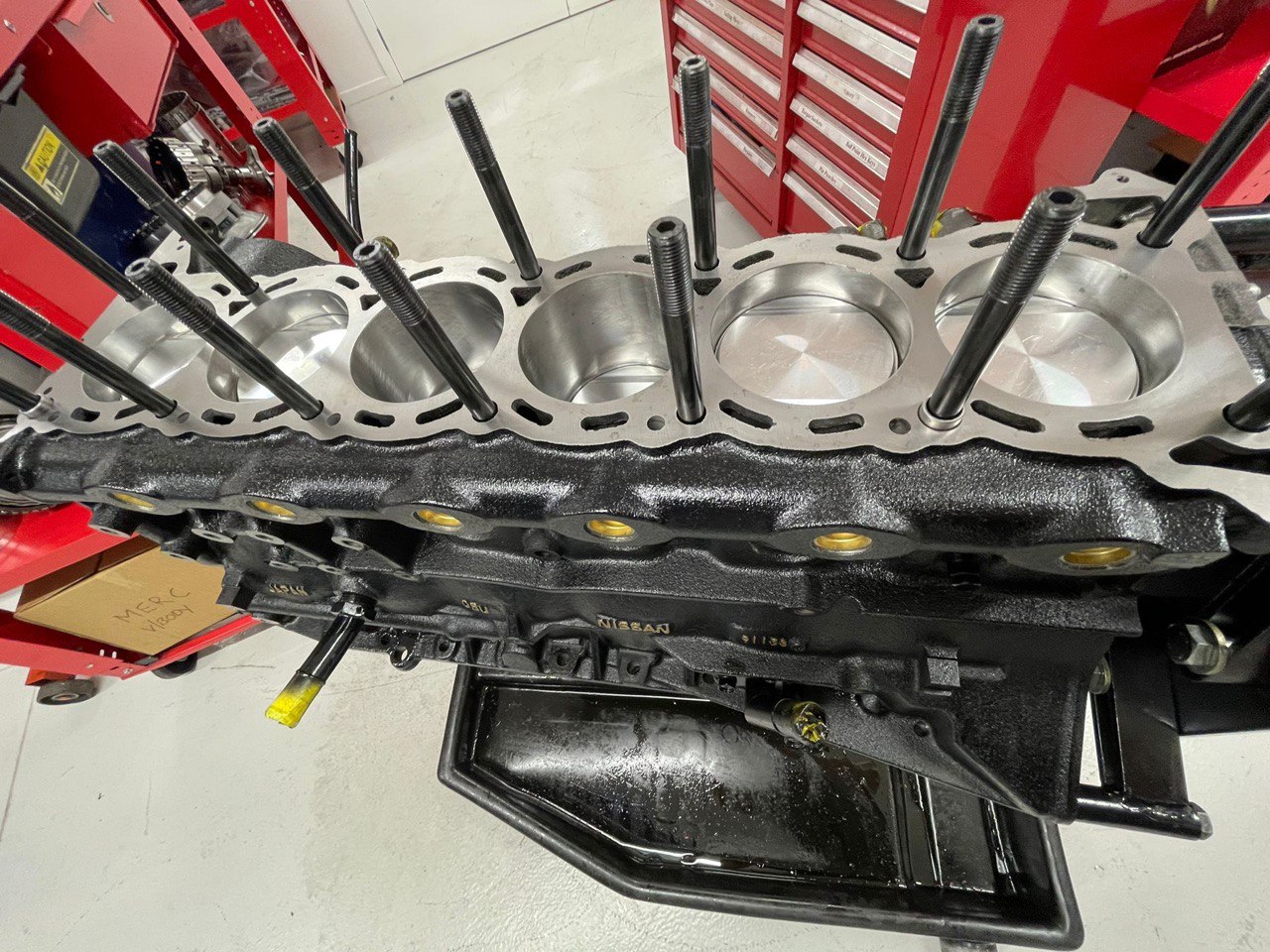
A ‘99 Nissan Skyline R34 GTR came to us at Dodson with a damaged motor due to some unknown previous debris that was left inside.

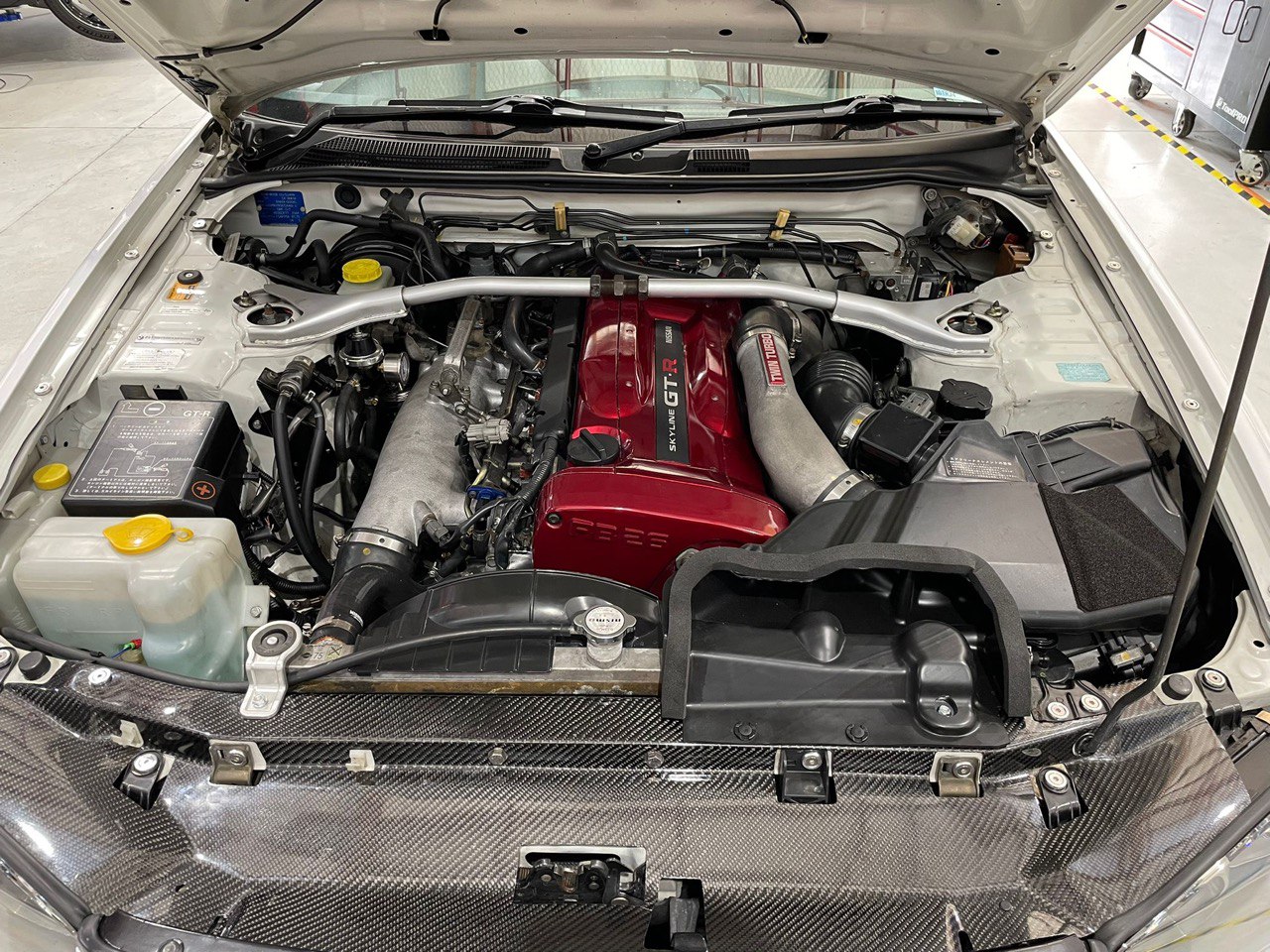
We set about rebuilding the motor which included replacing the pistons with new CP forged oversized units, all new ARP bolts and studs and ACL bearings through out. We fitted a Tomei MLS head gasket and oil restrictor, and an N1 Nissan oil pump. The cylinder head was given an OEM refresh. We also had the turbos rebuilt with new upgraded steel wheels.

Here is the engine complete and back in the car:


Then we put the car on the dyno:

It made 320whp on the factory boost controller. Not a bad result at all.